The Spanish Way
We’ve always gone out of our way to make the point that Spain is so much more than sun and sangria. If you’ve followed our journeys, you’ll know we try our utmost to reflect this in our commentary, especially as we hold such deep regard for the Spanish. There is, however, a distinctly Spanish way of doing things that deserves more explanation than simply shrugging your shoulders and saying mañana. Back home in Norfolk we have our own equivalent — “Normal for Norfolk” — always said with affection and a sense of home. For us, it’s the same feeling we have towards Spain.
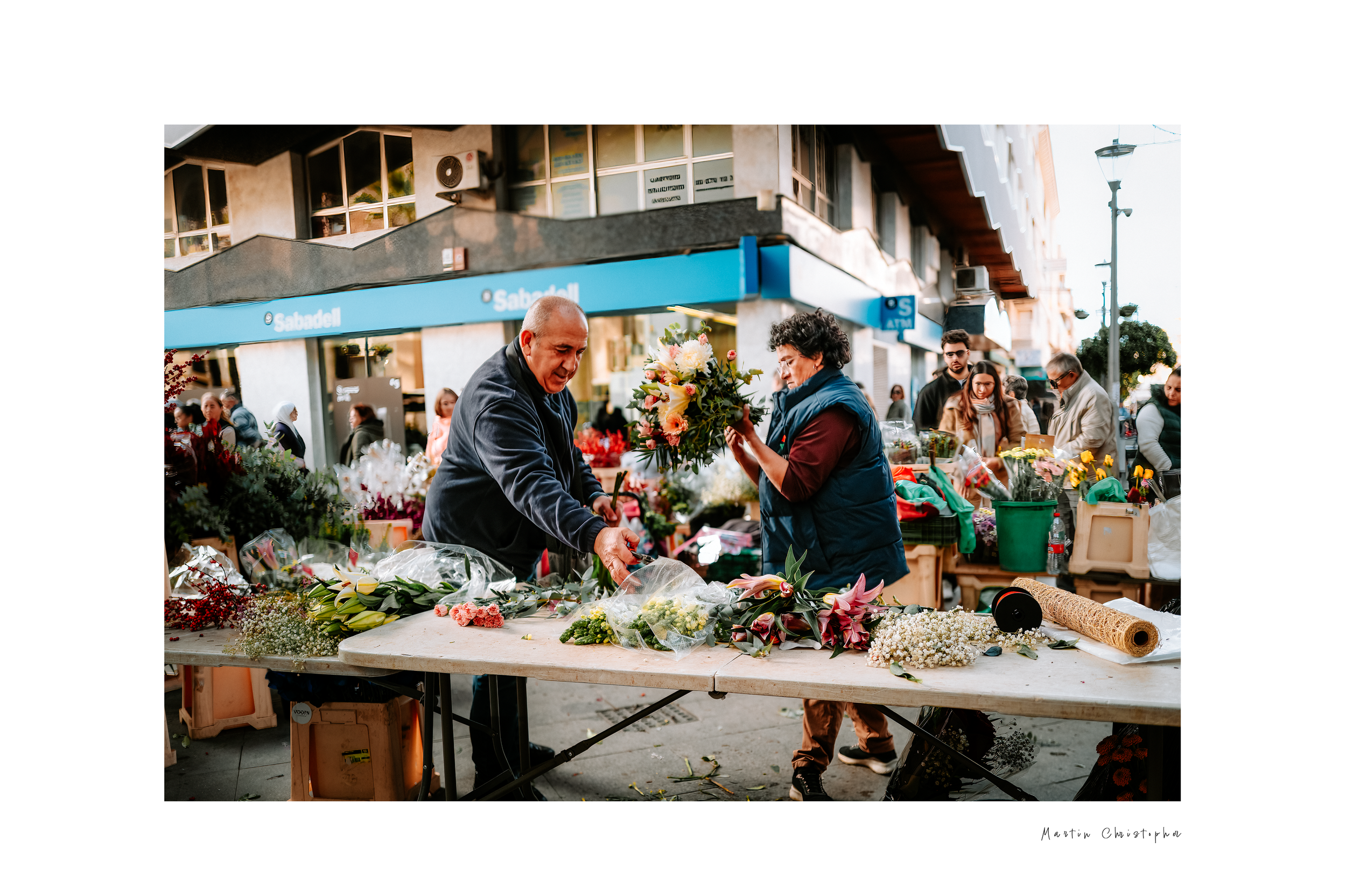
Let me give you a little context of what I call The Spanish Way.
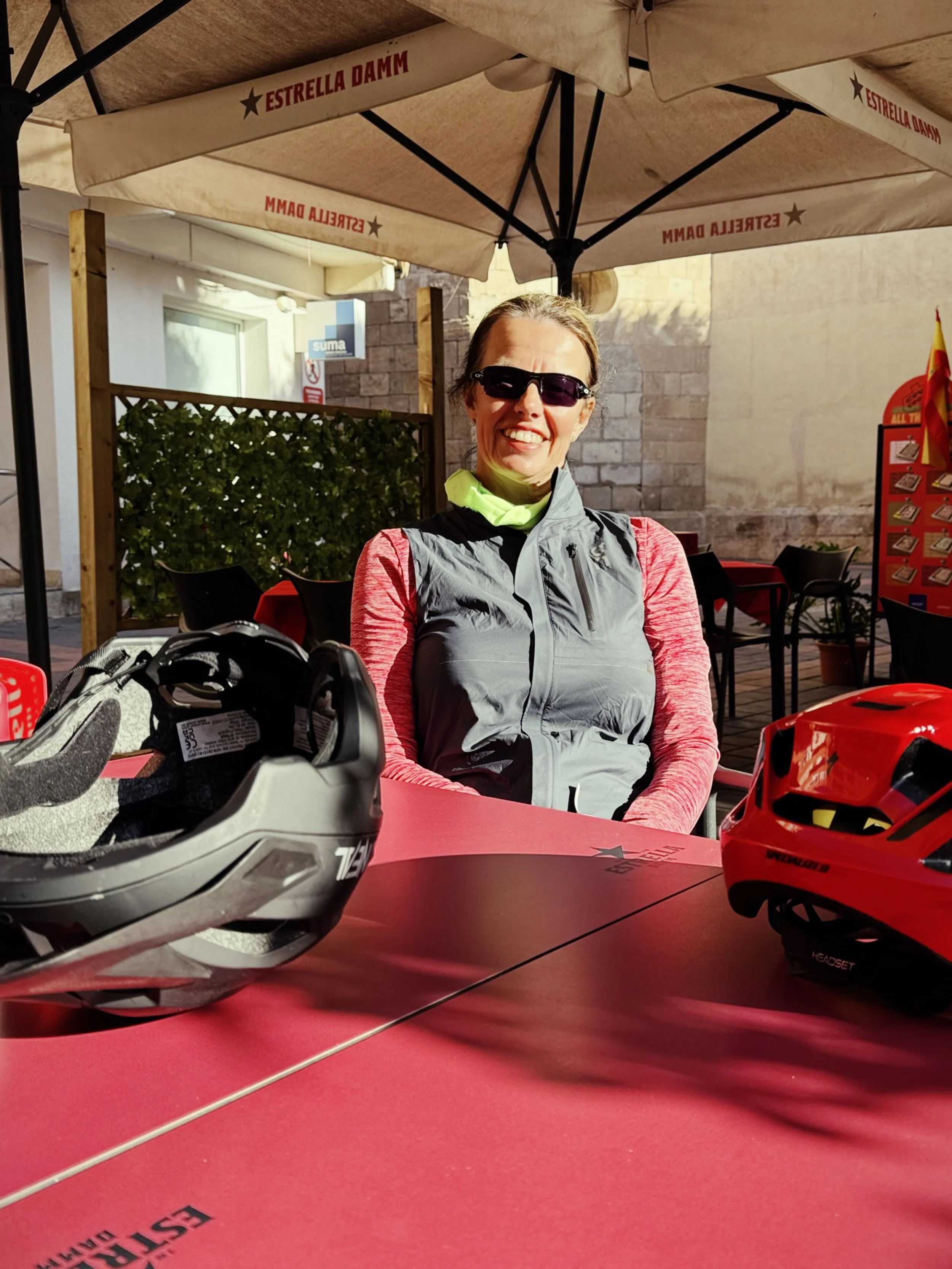
The saga of Helen’s bike repair rumbled on into this week. Catral is a small rural town. There are no glossy, well-stocked cycle shops filled with thousands of euros’ worth of shiny frames in multi-coloured paint jobs and sparkling chrome. Instead, there is just the superhero we know as José, the bicycle repair man. He’s incredibly skilled and has been maintaining the town’s ageing fleet of bikes for years — exactly the man you want when H’s bike is now seven years old. In the UK, it would probably have been declared beyond economical repair and we’d be politely steered towards buying a new one. But here, nothing is considered disposable.
In Spain, there is a way of carefully considering a problem. They look, they nod in a measured way, and say the universal word: “OK”. And then you come back on Tuesday. Of course, it’s not ready on Tuesday… or Wednesday. And when you ask for opening times and are told “between five and six”, it literally means sometime between five and six — or indeed later, as we discovered. But all of this hides the real truth: mañana is not lazy, it’s cultural.
Behind the scenes José had gone to the warehouse a couple of times, spoken to others, and finally tracked down the right Trek part. He worked out the best option for a wheel replacement. This is the Spanish way: resourceful, thoughtful, and determined to fix rather than replace.
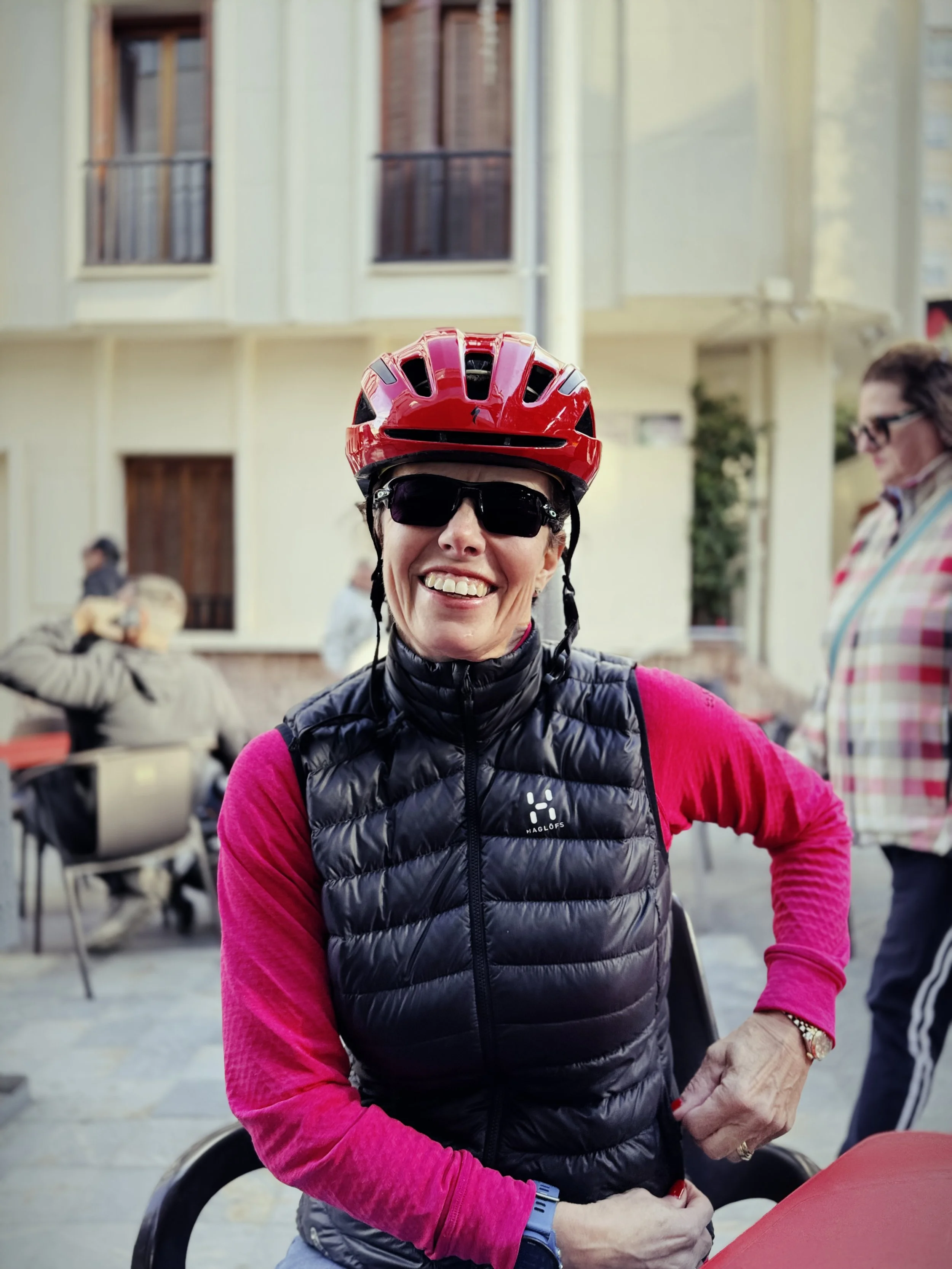
When we finally collected the bike, H declared it “better than new” — slick gear changes and off she rode. Speed-wise, it even seemed comparable to mine when the electric assist kicked in, which is a first. I think an online review is definitely deserved.
While we waited for José to turn up (never go by the opening hours of a small business here — 5pm to 8pm can mean anytime within that window), we decided to wander off for a curry. After arriving at the bike shop between five and six and finding no one there, the curry house beckoned. Every cloud has a silver lining, after all.
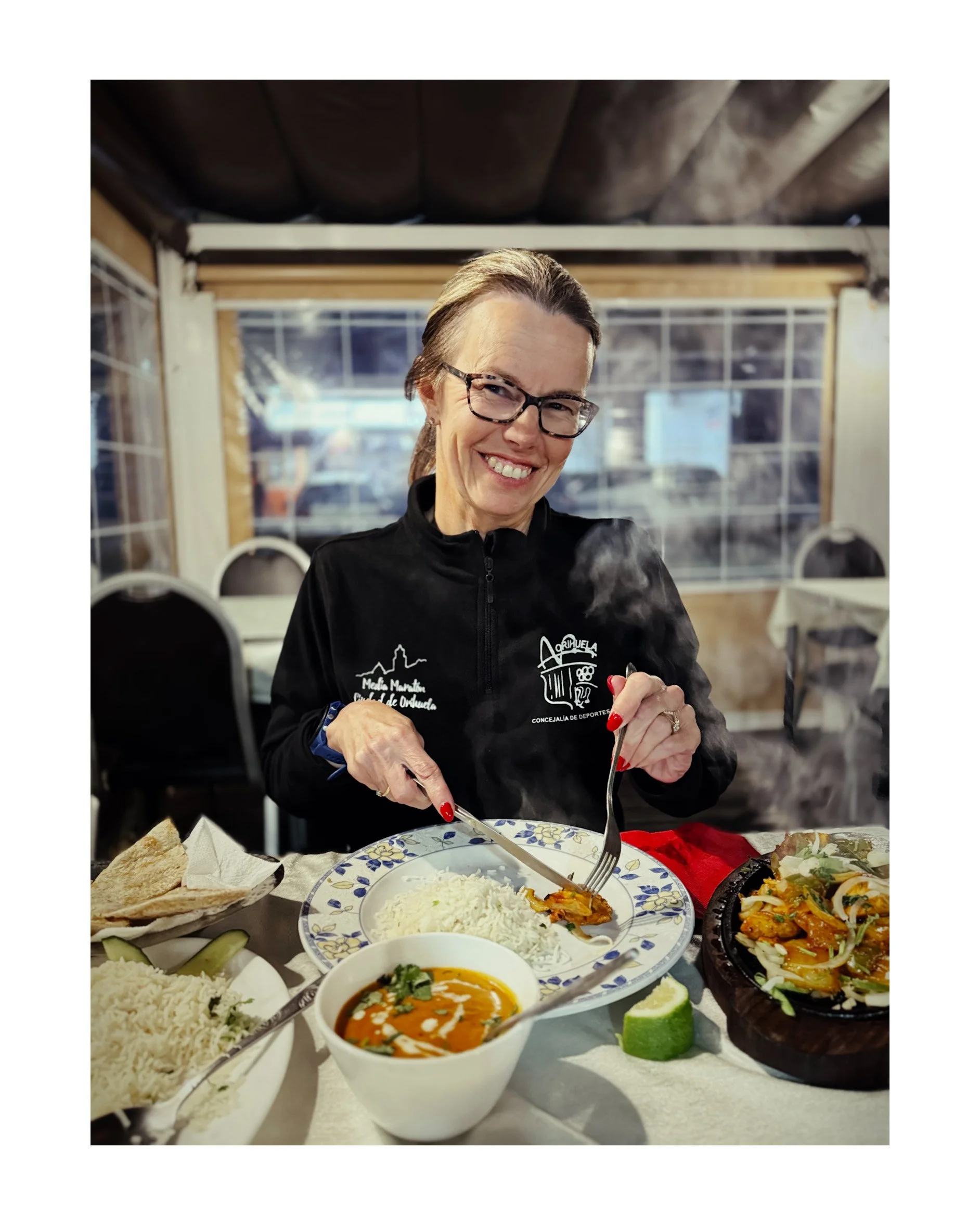
Our favourite Curry spot
The Punjabi Virsa - on the main street in Catral is great spot. It’s smart inside or like many places here the outside acccomodates those in sports gear , bikes , with dogs or those that just want to be cooler.
The sizzling food was amazing, one of the best , very good English spoken and all cooked fresh.
We’ll visit here a few times I guess before the end of the trip.
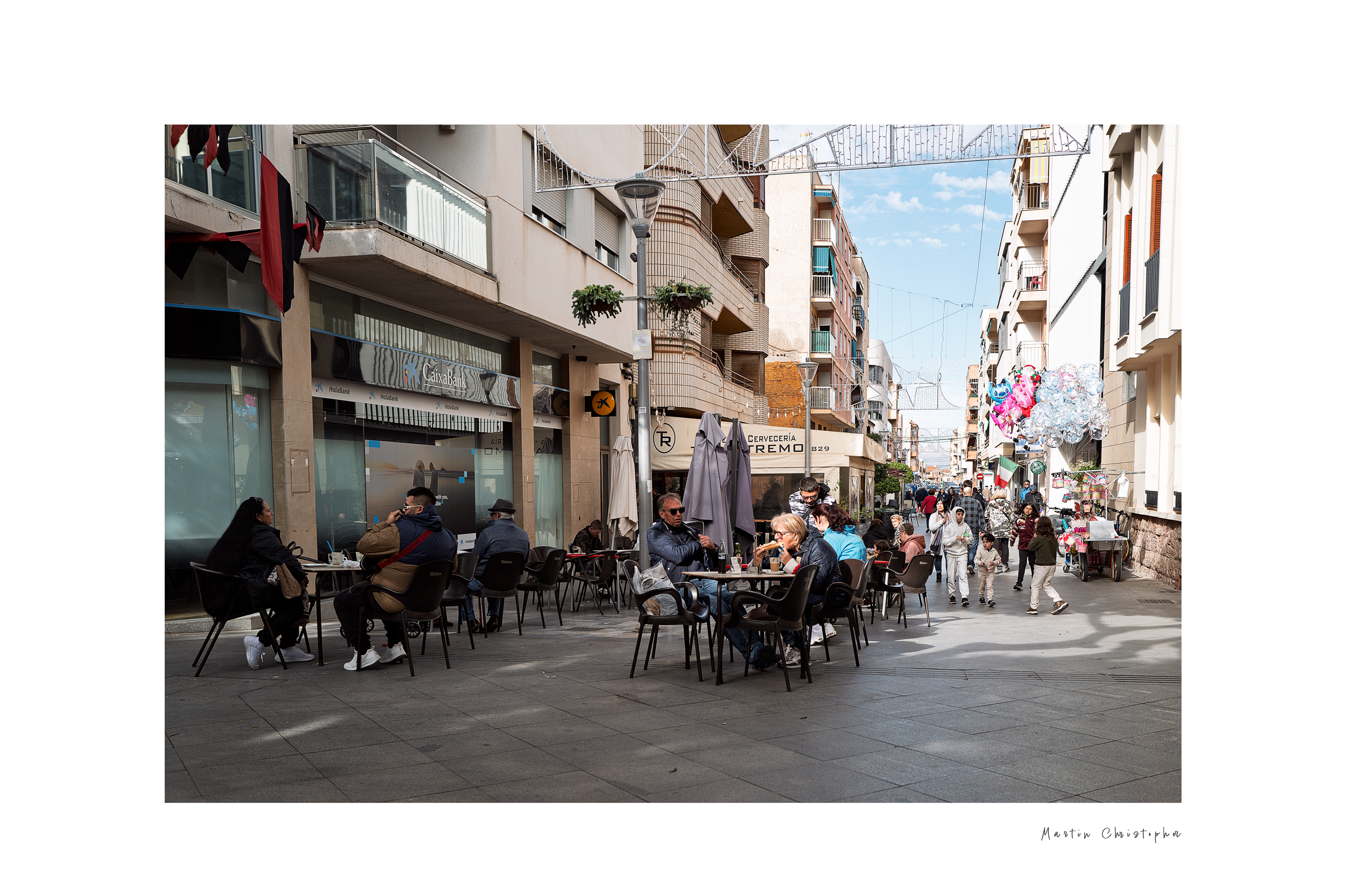
Cafés in Spain are cultural hubs — great for coffee and socialising, much like what used to happen in a traditional British pub. People meet daily to catch up and check in on one another. It’s worth noting that much of Spanish town and city life is apartment-based, so there is a strong love of being out on the street, whether informally at a café meet-up or during a festival.
Spanish coffee is great, by the way, and we love the café culture here. It has become a daily pilgrimage for us while out, stopping mid-morning for coffee and tostada — one with mermelada and one with tomato and olive oil (tomate y aceite de oliva). All for the princely sun of less than €5.
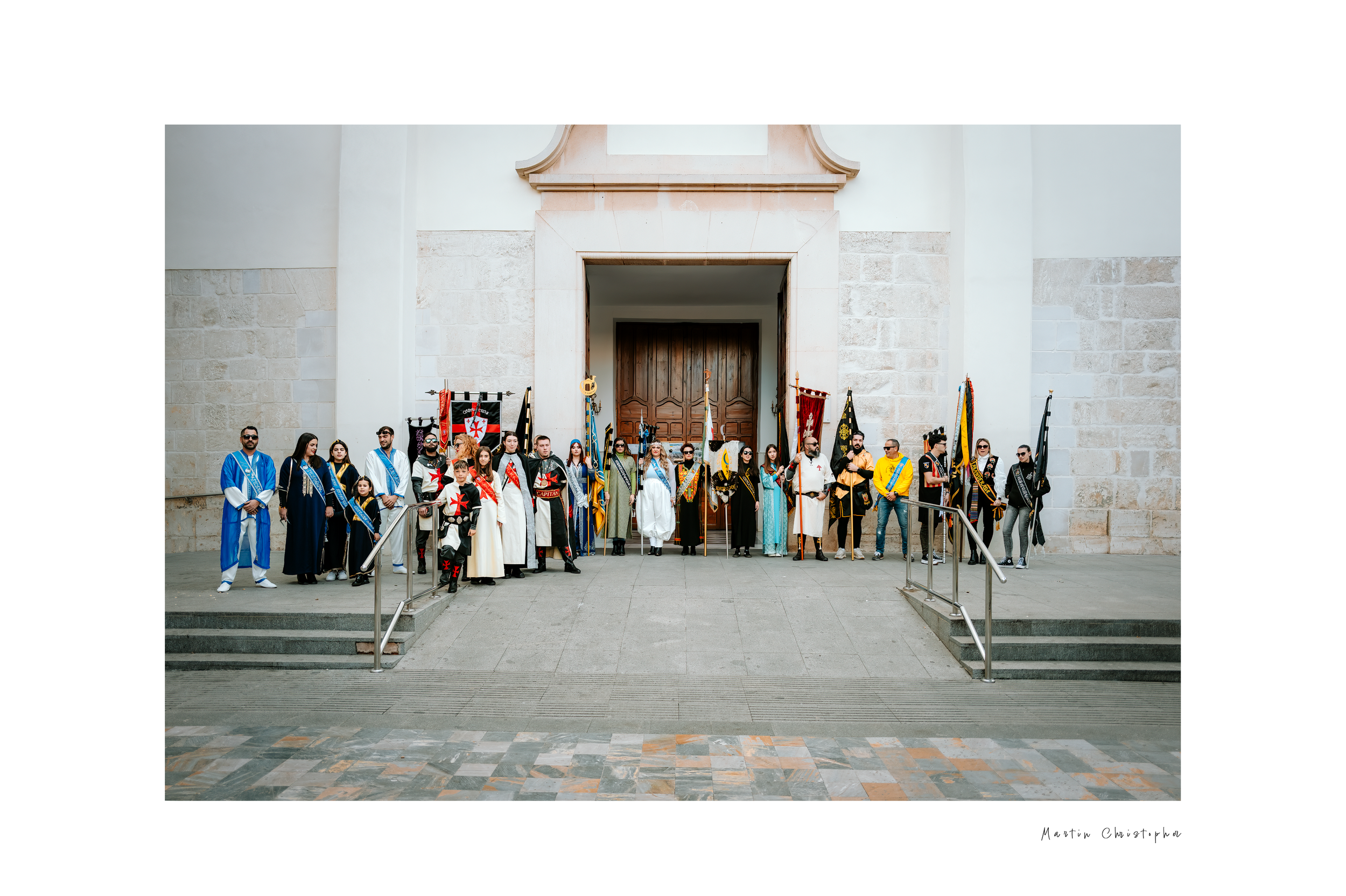
We love watching or taking part in Spanish festivals, whether it’s a large event like Las Fallas in Valencia (click this link to learn more - https://www.youtube.com/watch?v=7WOv-GC958Y ) or smaller, local celebrations such as yesterday’s San Andrés Festival 2025 in Almoradí.
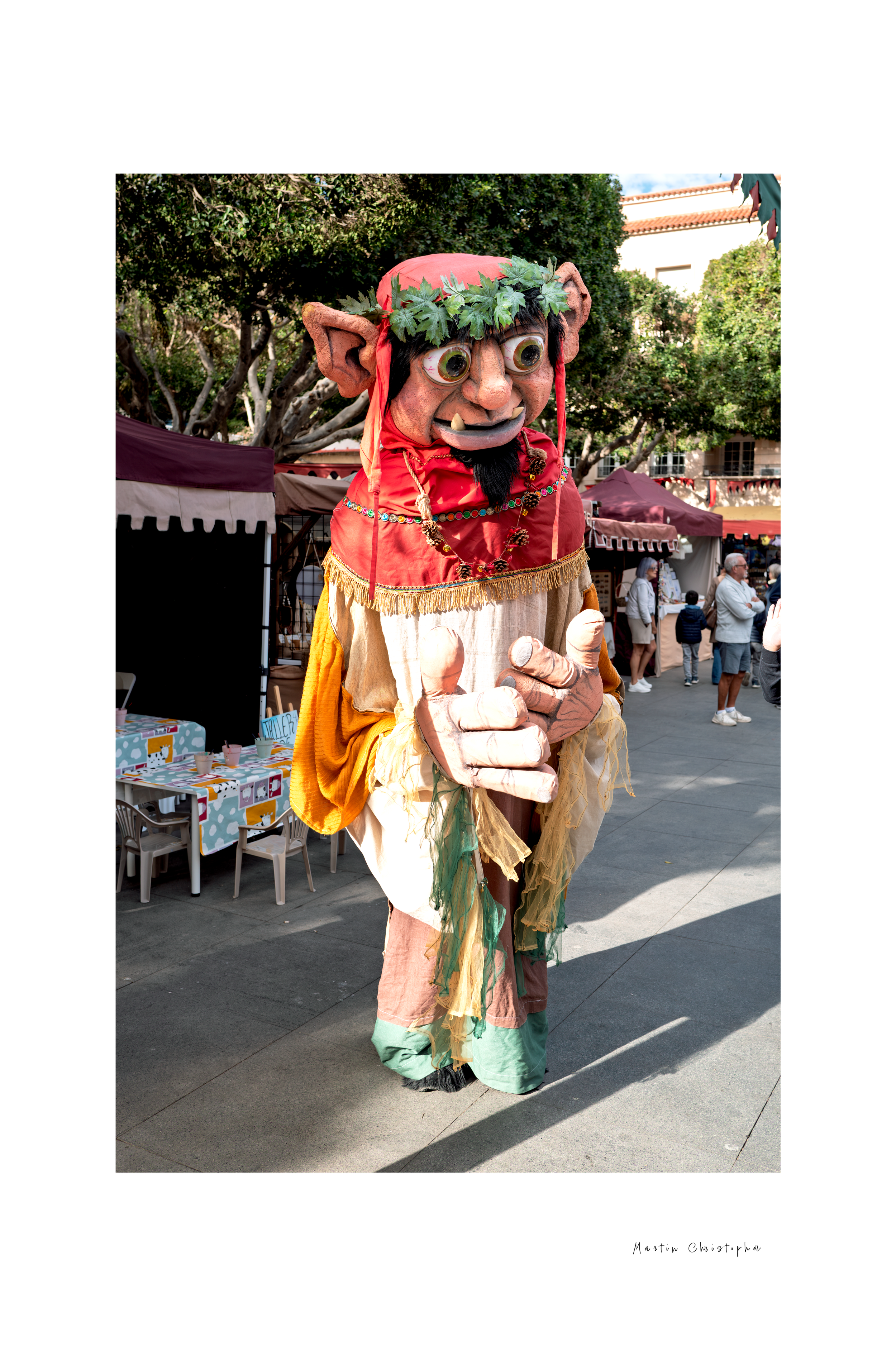
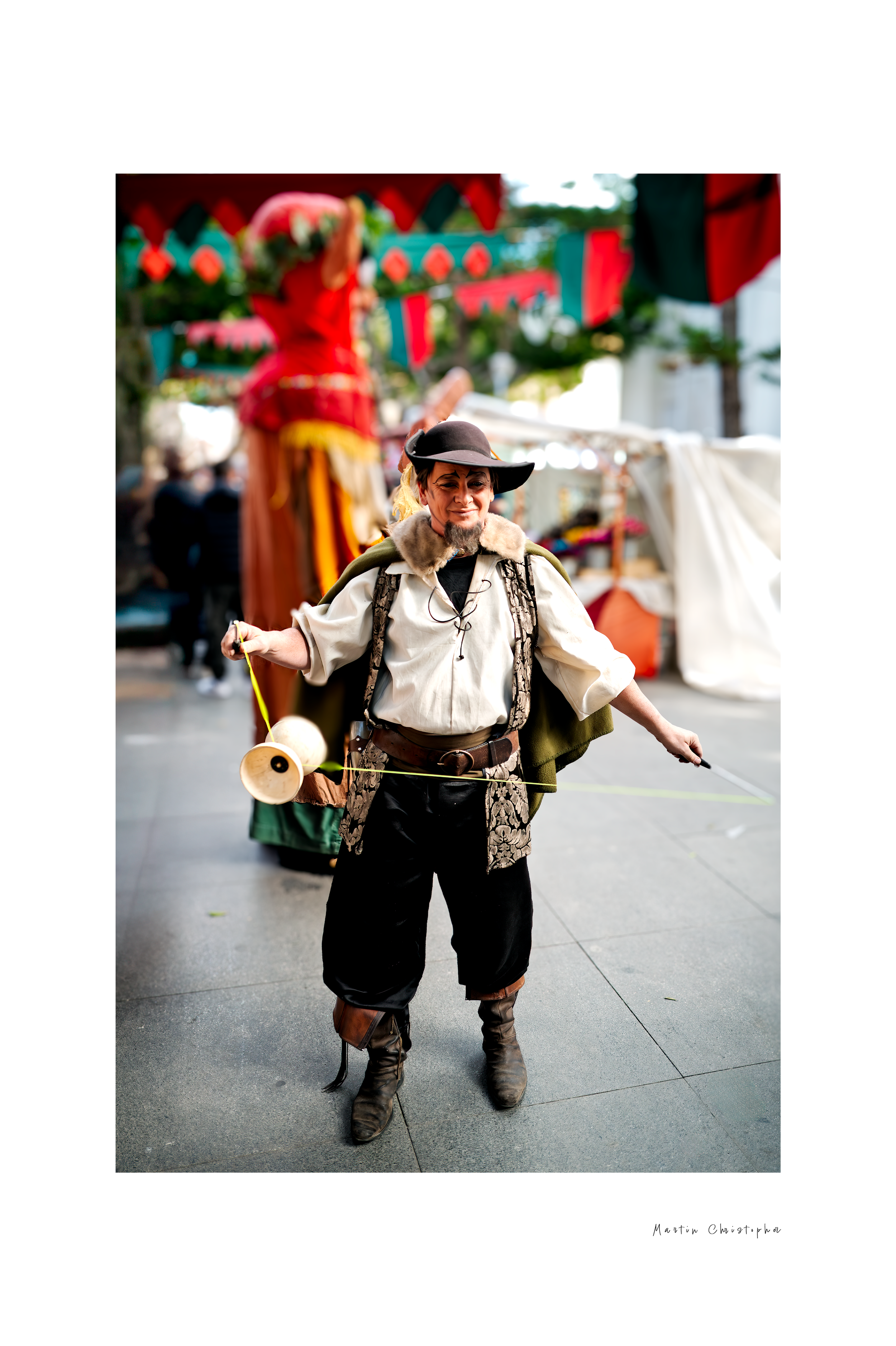
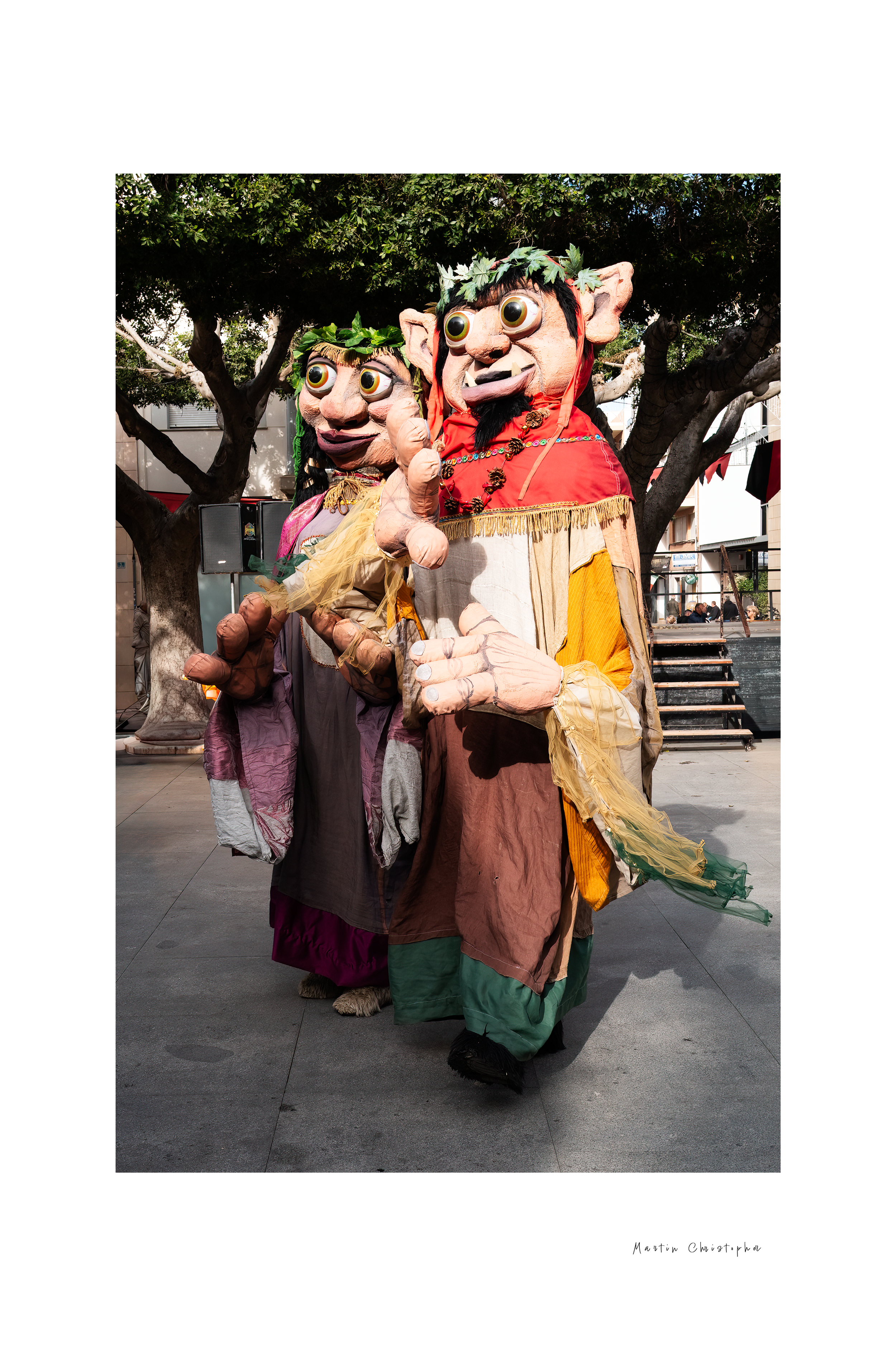
This festival was a lively celebration of community and tradition. The streets were alive with music, laughter, and the warm buzz of neighbours catching up. Market stalls lined the town square, offering local delicacies, handmade crafts, and fresh produce — the air rich with aromas of frying churros and roasting nuts. Families strolled together, children with painted faces darting through the crowds, while elders sat under shady trees sipping coffee and watching the world pass by. The colours — bright banners, streamers and fluttering flags — made the town glow, and the sense of belonging was palpable . The short video below captures the imagery and colour of the day.
It’s not just the Spanish who have their own unique culture. The gym here is pretty good, and it’s interesting sharing it with a multinational clientele, especially when it comes to rules and training routines. As you might expect, the Germans are very compliant — instructions to wipe down machines are treated as an invitation for a full forensic clean down. The Dutch follow rules, provided they make sense. The Spanish, of course… well, we’re back to mañana. The more time you spend close to mañana, the more you come to understand it — and go with the flow.
There are quite a few Finns on site, keen to escape the -20°C temperatures and limited daylight back home. We find them reserved, but very kind — from a nation that consistently ranks number one on the global happiness index. They are always genuinely interested in how things work, whether it’s the routines we follow in the gym or simple matters like how a windbreak is set up by us . Finnish men, in particular, have my admiration — I’ve never seen so many power tools; it’s blokey heaven.
Comparing and contrasting how things are done seems part of the Finnish nature. They are measured and extremely polite, in a way that reminds me of how Brits of my grandparent’s era used to be. It’s good to have Finns as neighbours.
For those interested in Poppy, she is fine, although the wind here this week has made outdoor bathroom breaks a challenge. I can’t blame her — I’m not sure I could handle a force-nine gale blowing up my rear end. But Poppy is resilient. Her attitude to weather is why she was thrown out of the Spaniel Association — she doesn’t like water, rain, or anything that makes her moist. Once, she sailed from Spain to England without a wee for 27 hours — I kid you not. The wind howled through the pet exercise area, which was also wet, so it simply didn’t happen. Nothing — from rebuke to bribery — worked.
The weather here has been cooler, but still sunny. Overnight temperature drops have produced some interesting clouds, like the one pictured below. Mornings are darker, mainly because Spain retains Central European Time (CET) while Portugal is on Western European Time (WET).
Spain moved to CET in 1940, during the Second World War, when dictator Francisco Franco shifted the clocks forward by one hour to align with Nazi Germany. This was largely symbolic — Spain remained officially neutral. Before this change, Spain had been on the same time as the UK and Portugal (GMT/WET), which matches its geographical position. Despite periodic discussions about returning to a more natural time zone, Spain has remained on CET/CEST ever since.
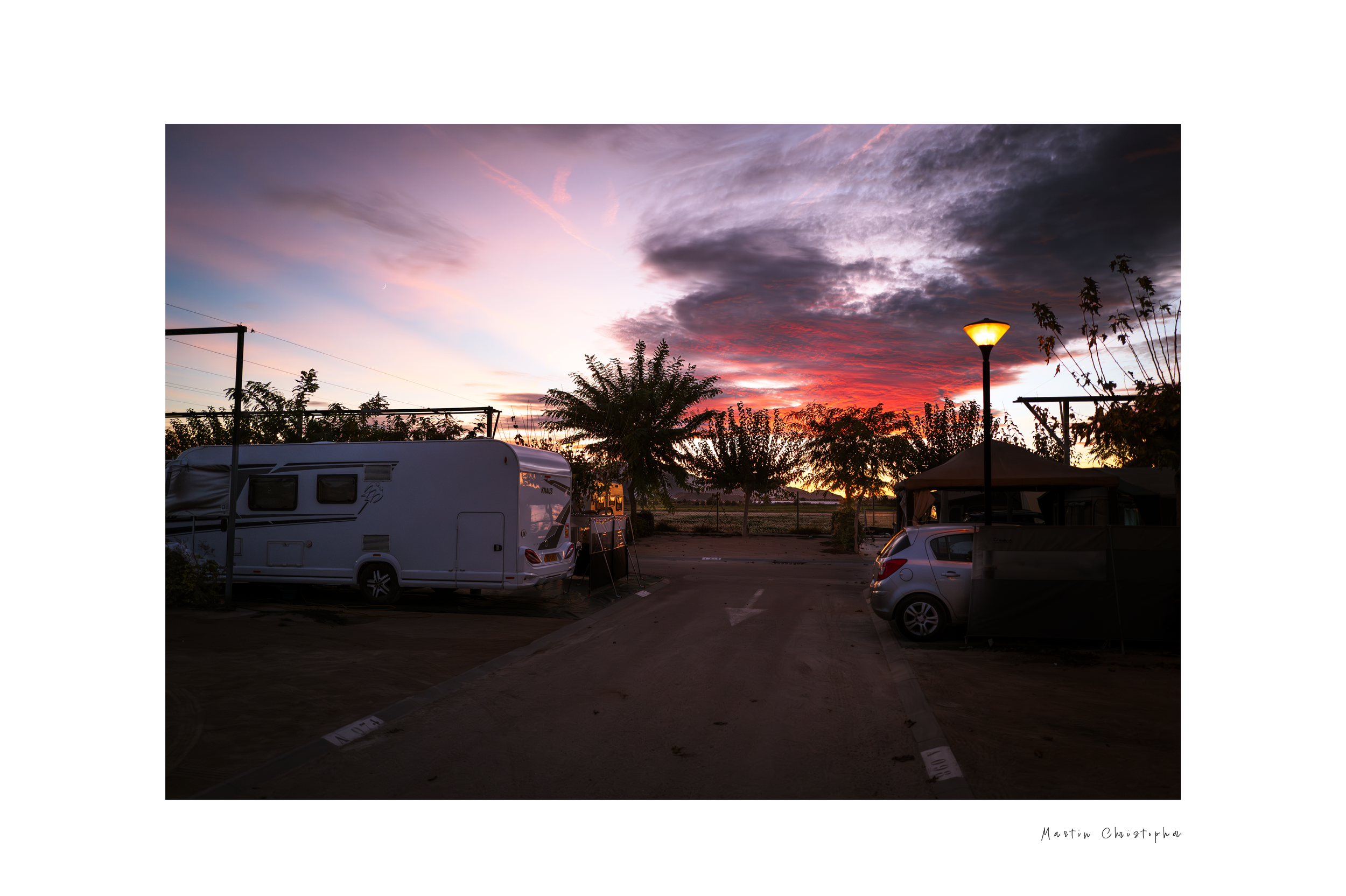
Changing the topic, I’ve been fascinated this week by international postage arrangements. With it being Black Friday and me on the hunt for a bargain, I ordered a new pair of running shoes to be delivered to the campsite. I confess I was a little nervous — after all, the delivery address was Pitch Number A073, Camping Alannia, somewhere in rural Spain. I ordered through the Spanish equivalent of Sportshoes.com, so I assumed some competence, although I much prefer to pop into Sportlink in Norwich and try on a pair. But beggars can’t be choosers.
I paid a little extra for FedEx postage, hoping it would improve the delivery process. I immediately got a notification that FedEx had picked up my shoes from Prague in the Czech Republic — and were on their way. This news had all the triumphant exhilaration of a Ryanair flight landing on time. While we didn’t punch the air in celebration, it was reassuring to know my online order wasn’t coming from Temo or similar.
The plot became even more interesting as the journey progressed: from Prague, to Charles de Gaulle in Paris, then to Vitoria-Gasteiz in northern Spain, and finally to Valencia, where presumably it was handed over to a postman named Pedro and delivered ahead of schedule. Quite amazing really, given the period of ordering to delivery was less than 36 hours.
For those interested, the shoes were ASICS Megablasts, which on first impressions are excellent — softer than the Superblasts, very lightweight, and surprisingly pacey.
So that’s our week — bikes fixed (eventually), shoes delivered via half of Europe, Poppy still refusing to wee in a gale, and us happily embracing the Spanish way of life. With more festive celebrations on the horizon, we’re excited to see what fun, chaos and cultural quirks the next few weeks will bring.