Karaoke, Cardiology and Chicken in a Basket
The second week of December is a time for a little stoic realism in our house . The 8th marks the eleventh anniversary of the day I found myself lying in a hospital theatre, elbows-deep in some very calming pharmaceuticals, calmly watching a cardiologist thread lengths of tubing into my wrist. The events described below follow chest pain while running , which for a while I confess I dismissed as indigestion.
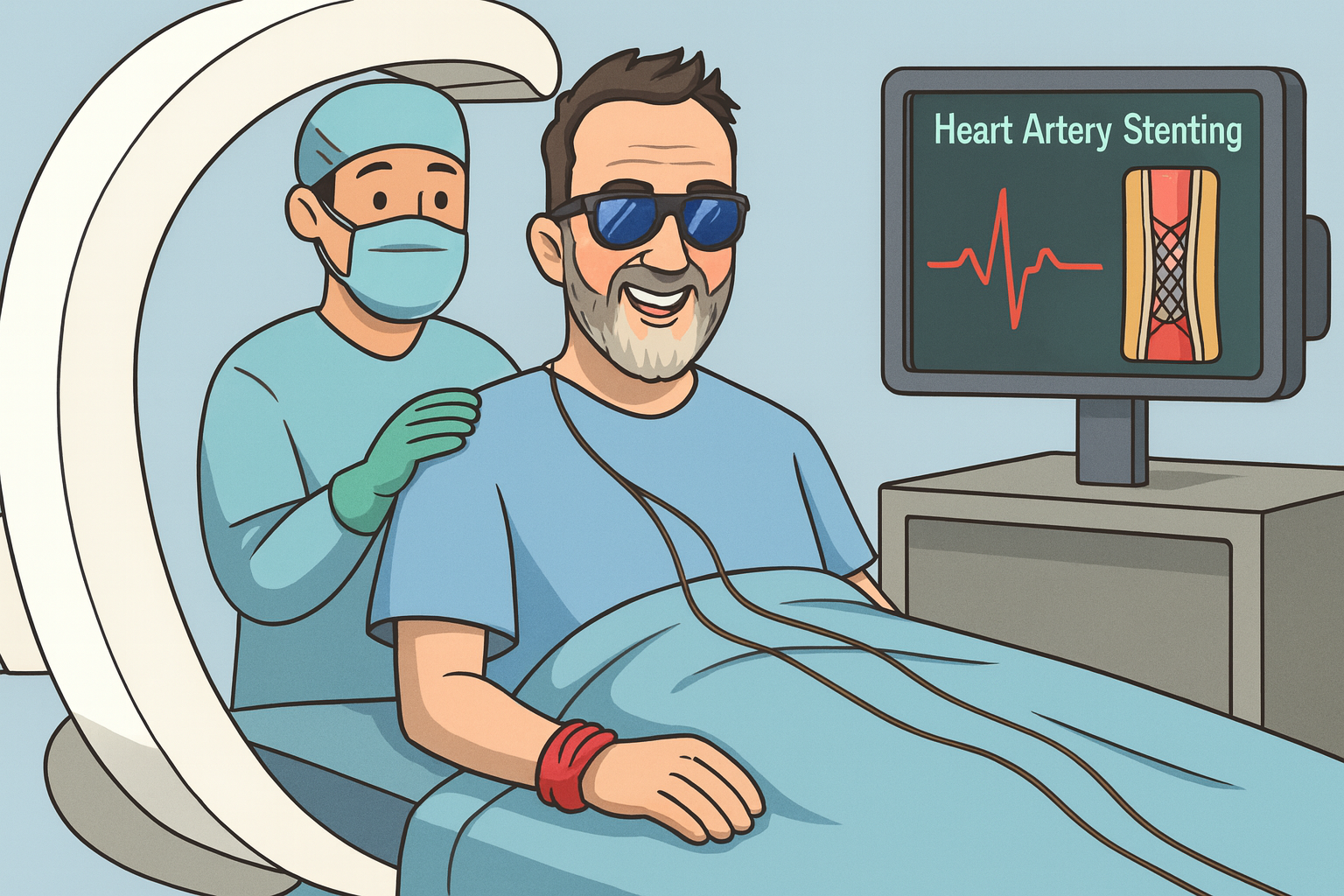
The first tubes carried dye, allowing the heart’s plumbing to be inspected by the head plumber — a brilliant person, whom I remember as having hands like a pianist. She warned me that going in through the wrist might not be possible and that they may need to use the femoral artery instead. Ordinarily that would have raised an eyebrow, but a previous MRI had already revealed a very real possibility of bypass surgery. The blockage sat in an area ominously known as the “widow maker” and a 95% blockage located in a difficult ‘stenting’ area.
So there I lay, cap and gown on, a cardiovascular surgeon on standby, and not a flicker of concern. The drugs were that good. In fact, I remember being more fascinated by the process than anything else, idly wondering whether I could justify installing two large TV screens on the wall at home , like in the hospital theatre.
As it turned out, I did have a 95% blockage in that very spot. Undeterred, the surgeon took it all in her stride, threading more tubing through my wrist, passed the elbow and shoulder, and down into the heart itself. Along this route then came two aluminium stents and a balloon, inflated to lock them in place and reopen the artery. A fun fact: that balloon is inflated to between 147 and 206 PSI — who doesn’t love a statistic like that?
And just like that, the stents were set. Here we are, eleven years on. Back running and firmly committed to a sport that could have saved me from a heart attack , reverse logic I know , but true in my case.
There’s no guaranteed lifespan for a stent — they can fur up again from underneath — so good health, sensible nutrition, and bucket-loads of faith remain the order of the day.
Another fun fact, as I lay there, was that I did so in the full knowledge that this isn’t a particularly good week in our family calendar. Both my parents and my maternal grandmother all died on the 12th of December — thankfully not in the same year, and all of old age — but still, life has a way of making you pause for thought.
Needless to say, one of my brothers now reliably sends out the annual group text:
“Is everyone still living?”.
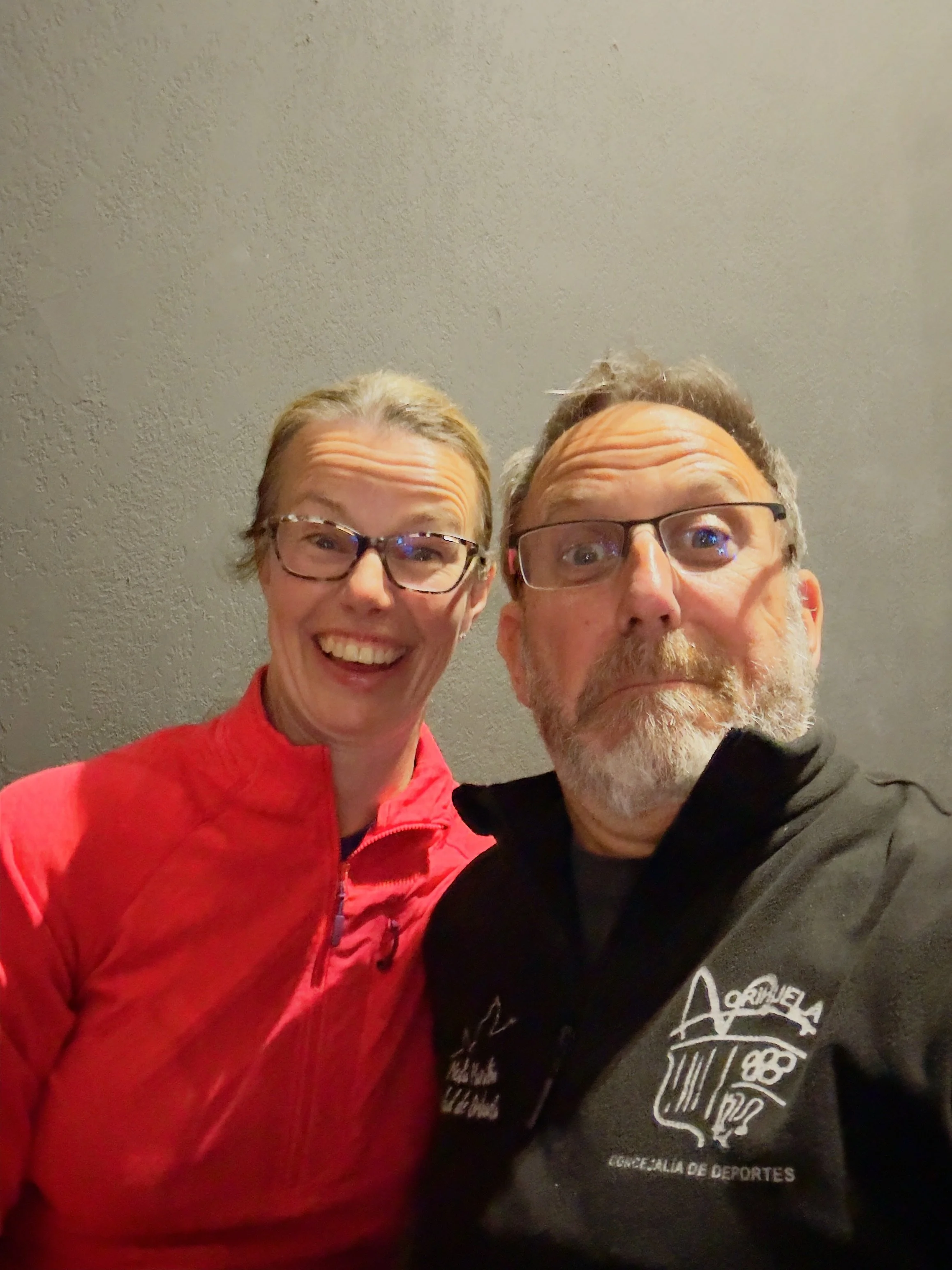
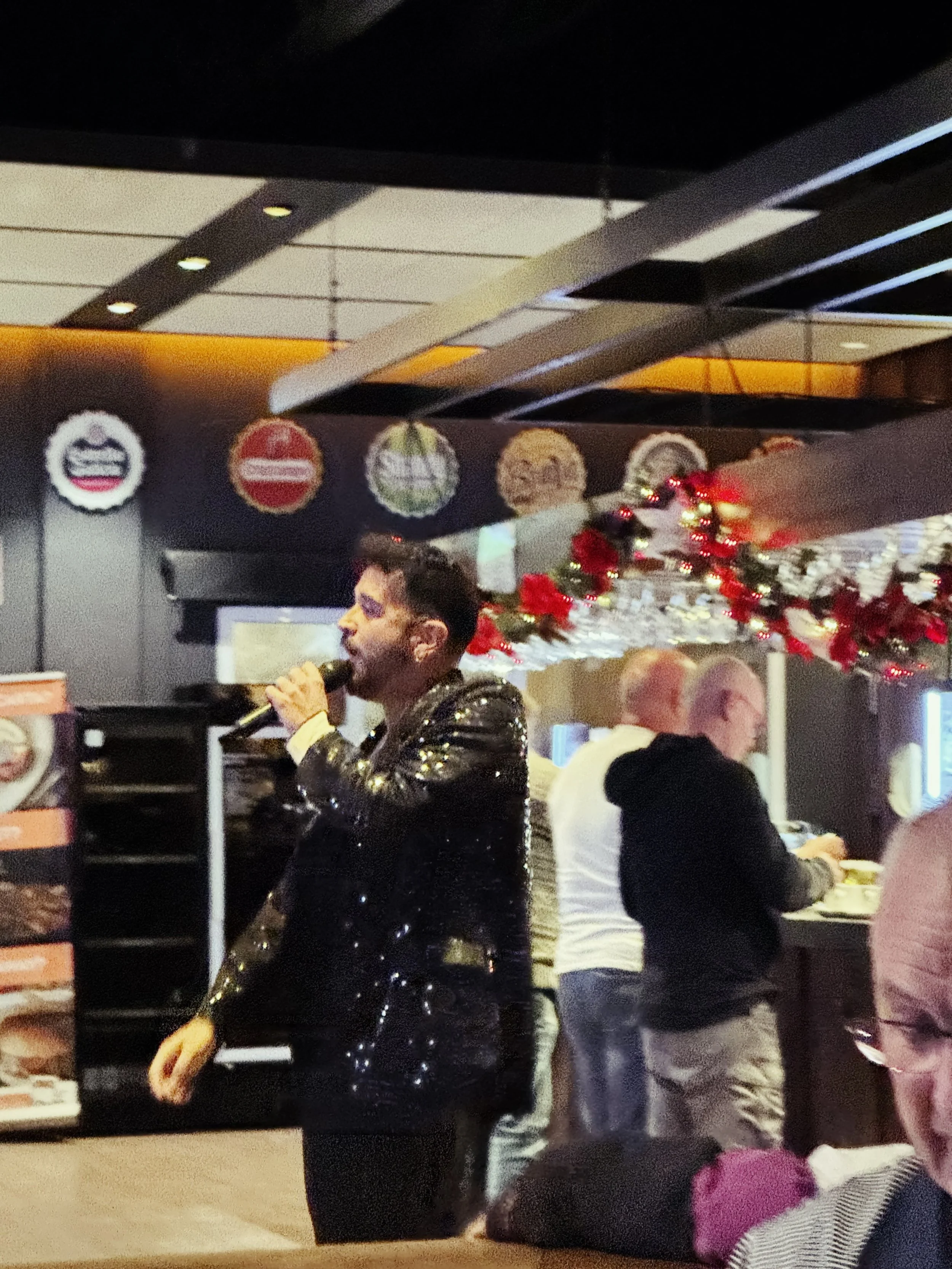
Being the shy, retiring types, you can imagine our reaction when we poodled along to the camp restaurant for a quiet beer and a basket of chicken and chips, only to find ourselves planted firmly in the middle of the weekly karaoke night.
“Where’s the Hawk when you need him?” was my immediate thought.
For those unfamiliar with the Hawk, he’s a local running and singing legend from Dereham — a man with a very particular, and entirely unique, set of skills.
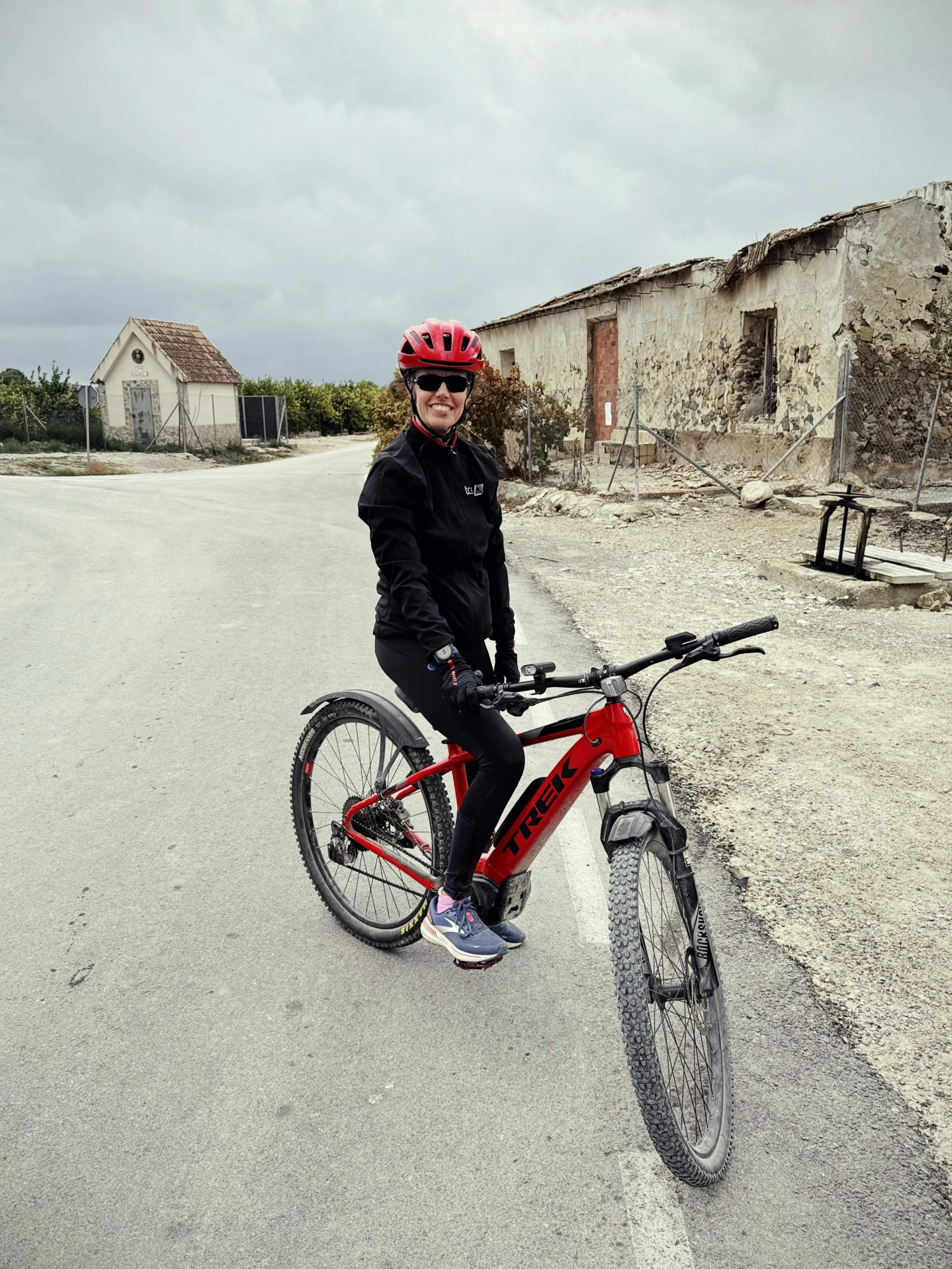
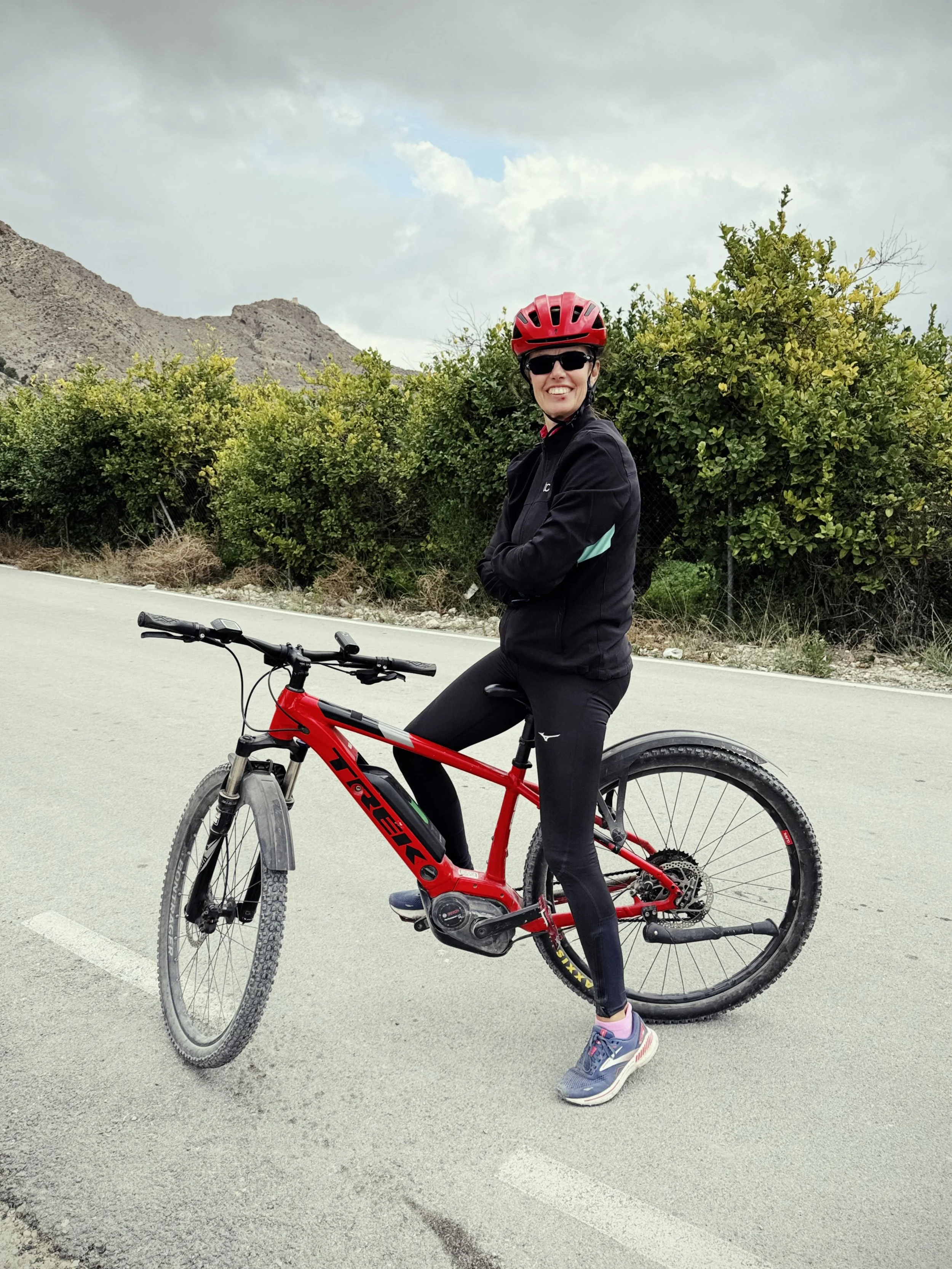
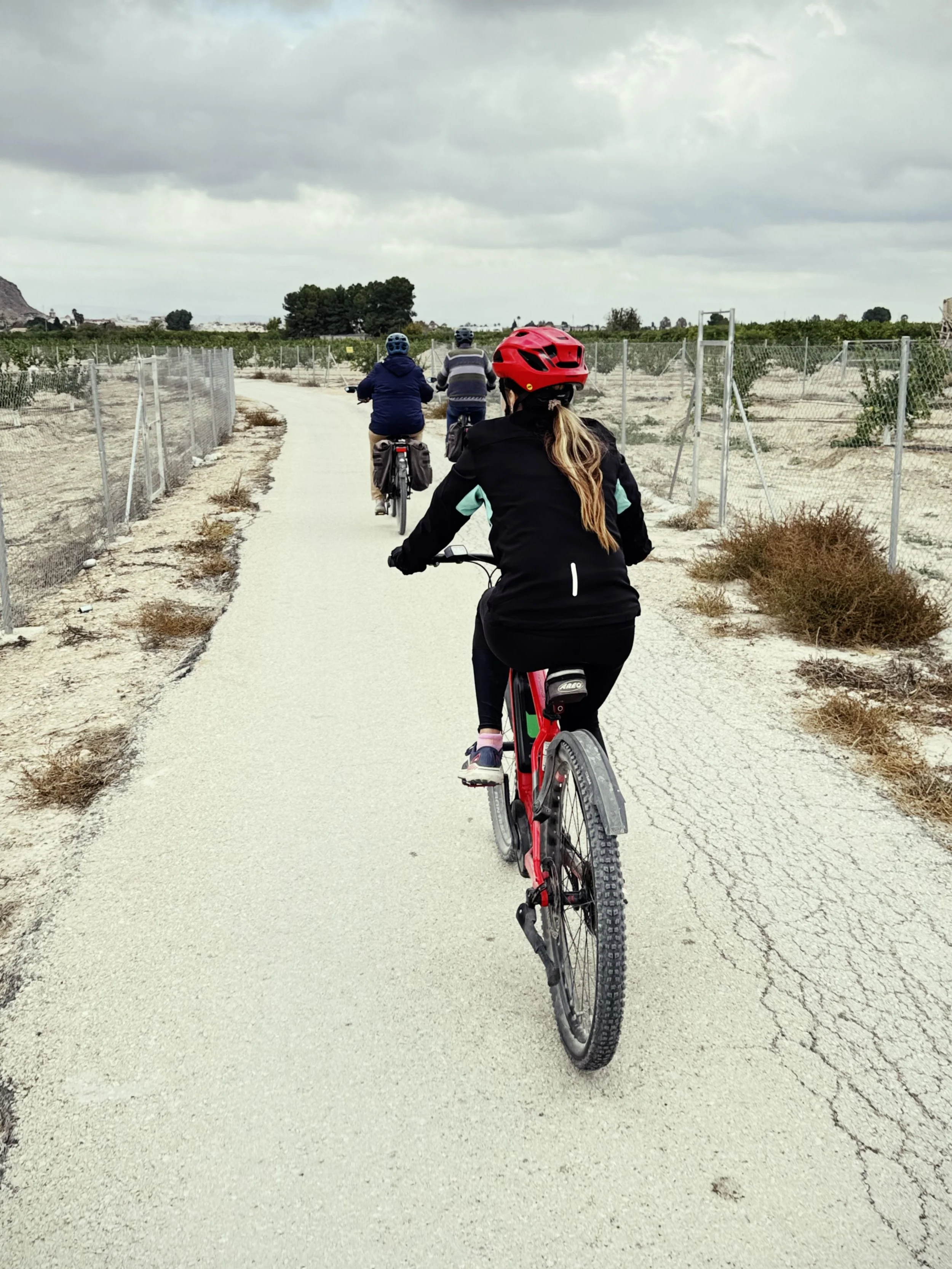
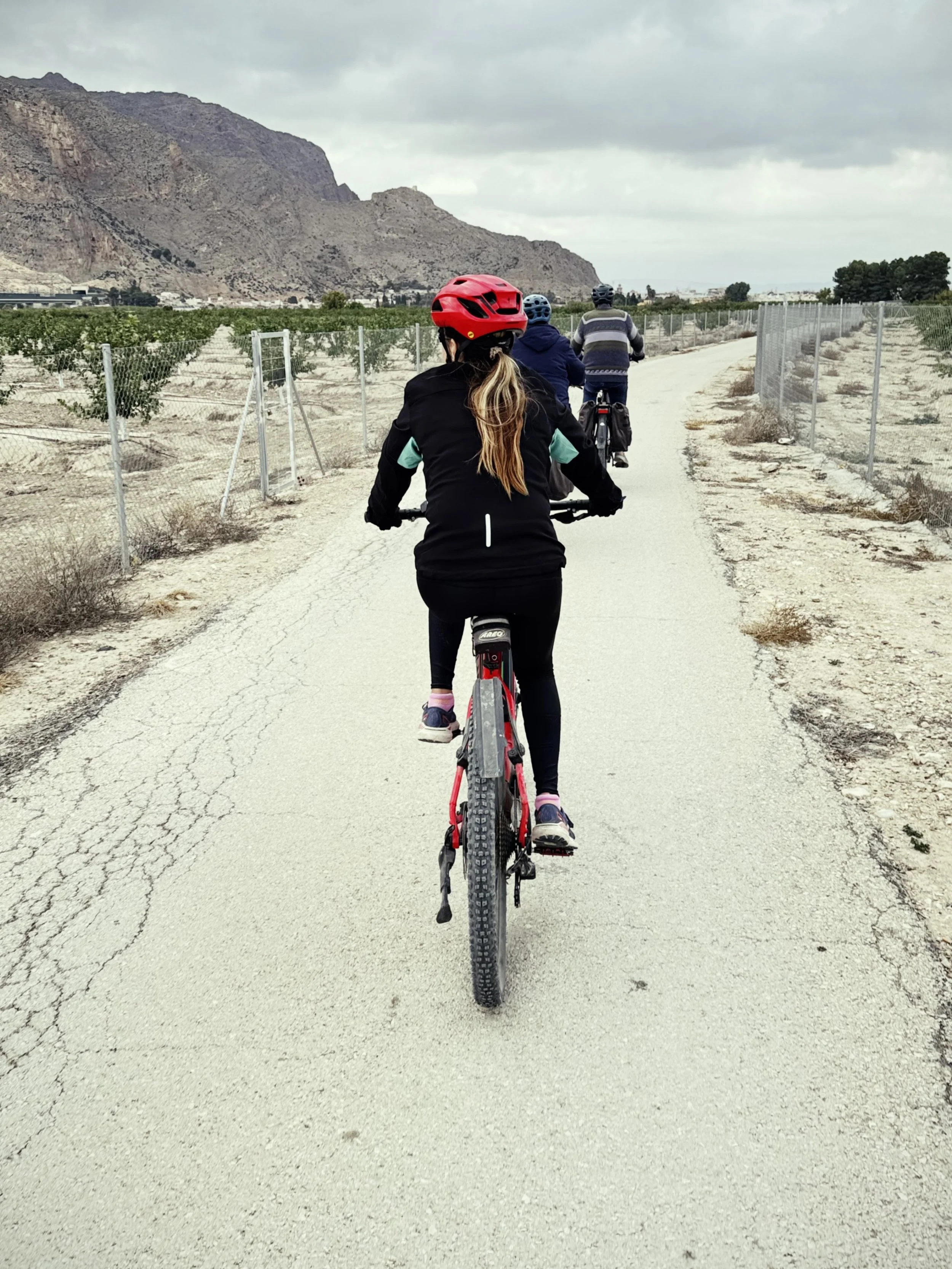
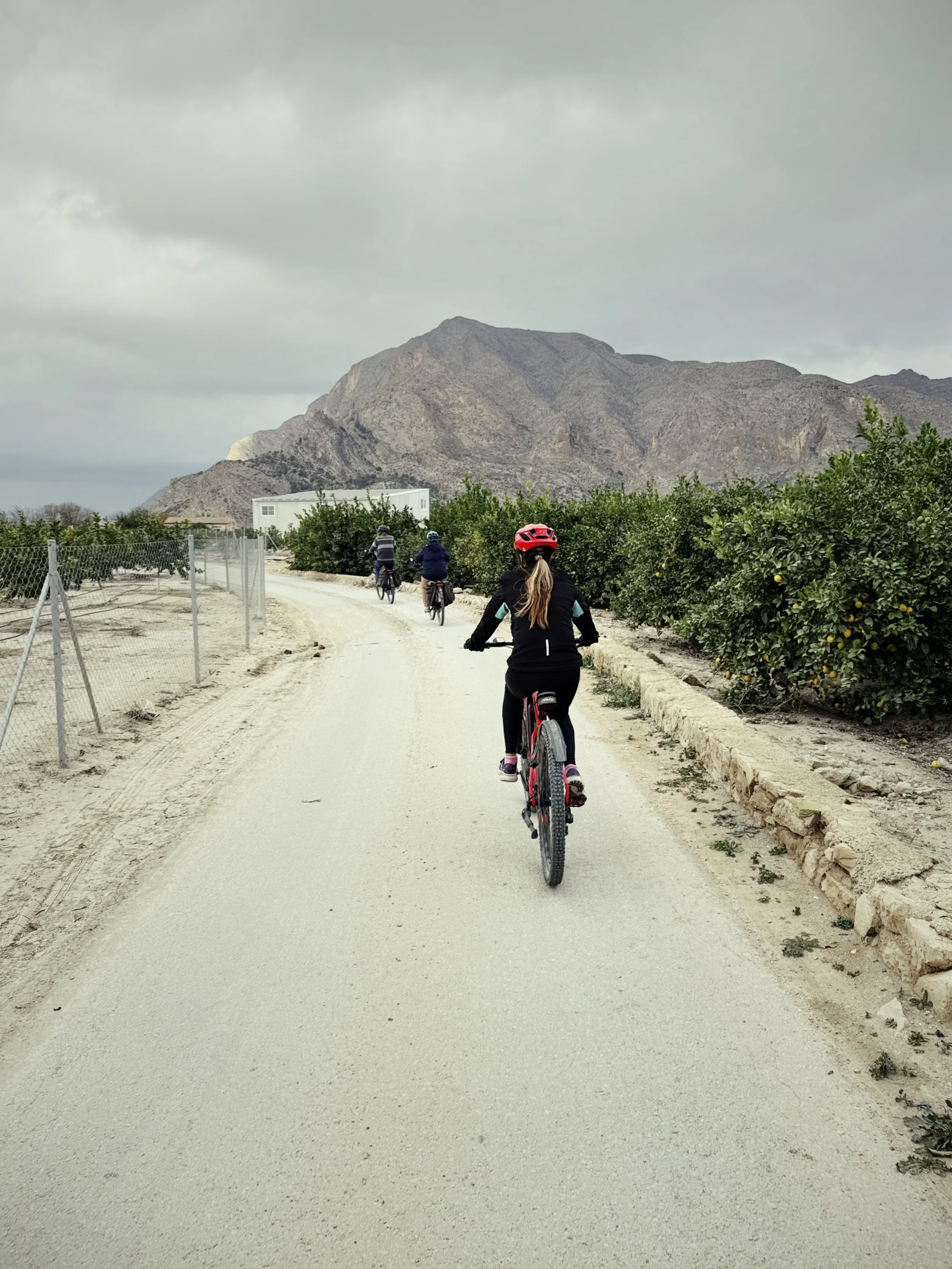
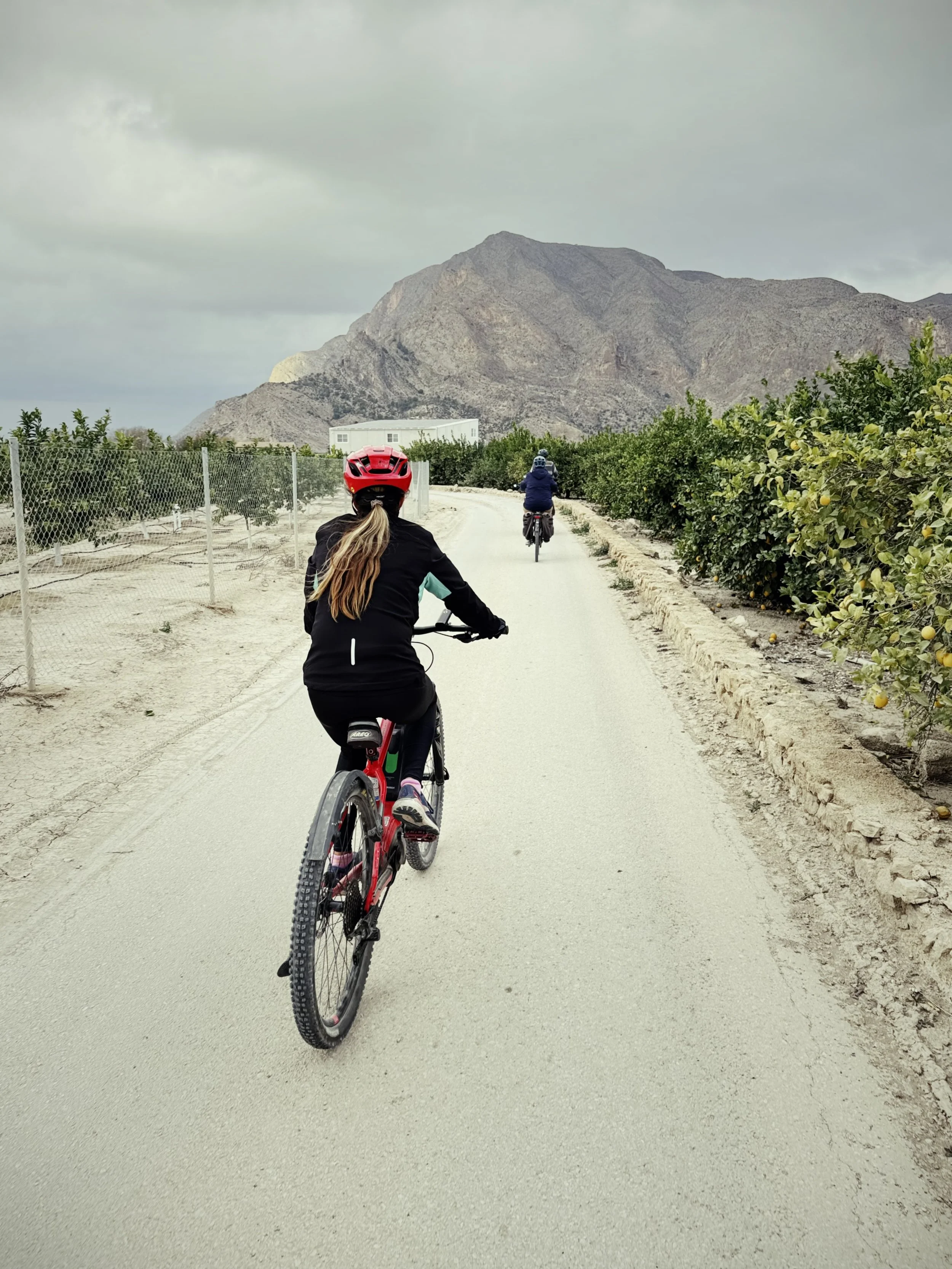
Biking this week has been an absolute pleasure. Two rides, neatly fitted around running rest days, delivered around sixty miles of gentle exploration through what feels like the garden of the region. Mile after mile of orange and lemon trees lined our route, their aromas drifting across the road.
Much of the riding took place in a landscape that felt like the backdrop to a Spaghetti Western — wide, sandy, open spaces that invite you to slow down and take it all in. It’s little surprise that many classic westerns were filmed in Spain, including A Fistful of Dollars, For a Few Dollars More, The Good, the Bad and the Ugly, and Once Upon a Time in the West.
We rode with friends from Holland, a truly serious cycling nation where the bicycle sits at the heart of daily life. It’s something you probably have to see to fully appreciate, but the ease with which cycling is woven into everyday living is quite extraordinary.This week we renewed our love affair with
Callosa de Segura
Callosa de Segura, a city we’ve been visiting on and off for almost ten years. Set at the foot of a dramatic mountain — our mountain, as we’ve come to think of it — it’s visible from our motorhome and frames our days as we watch the sunrise and sunset play across its rock face. Over the years we’ve walked almost every path, both through the streets of the city and up on the mountain itself, and each visit deepens that quiet sense of familiarity that keeps drawing us back.
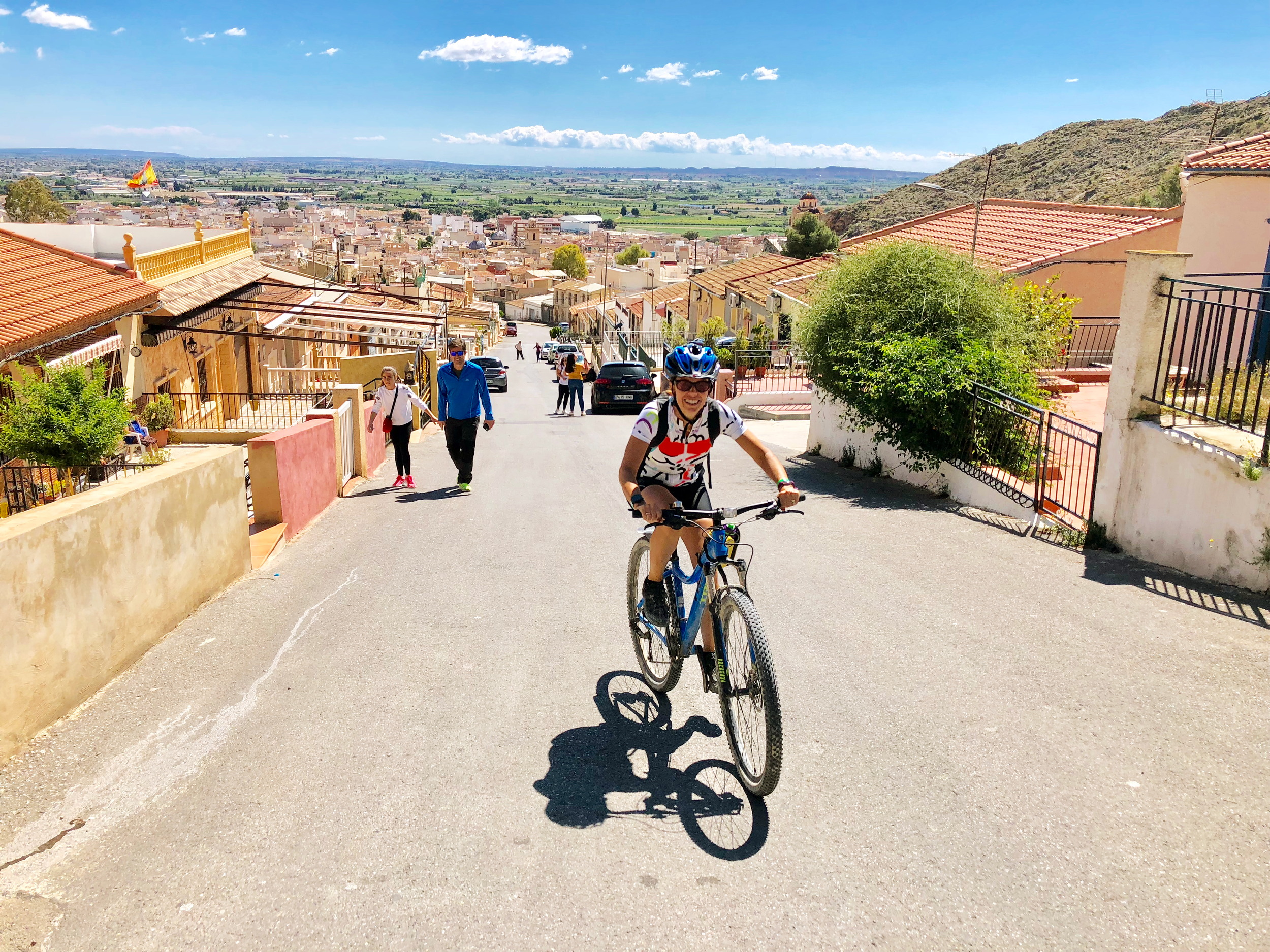
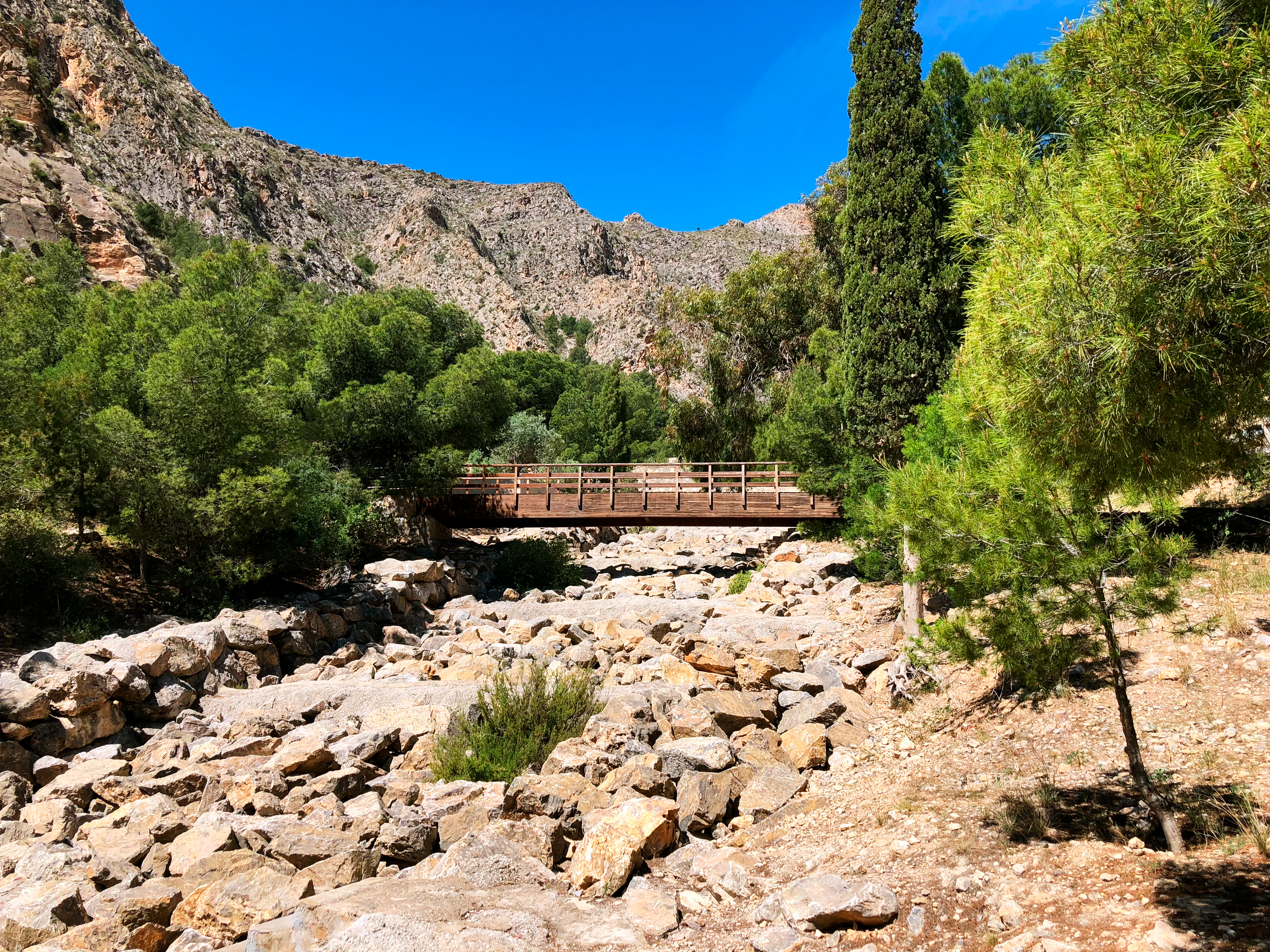
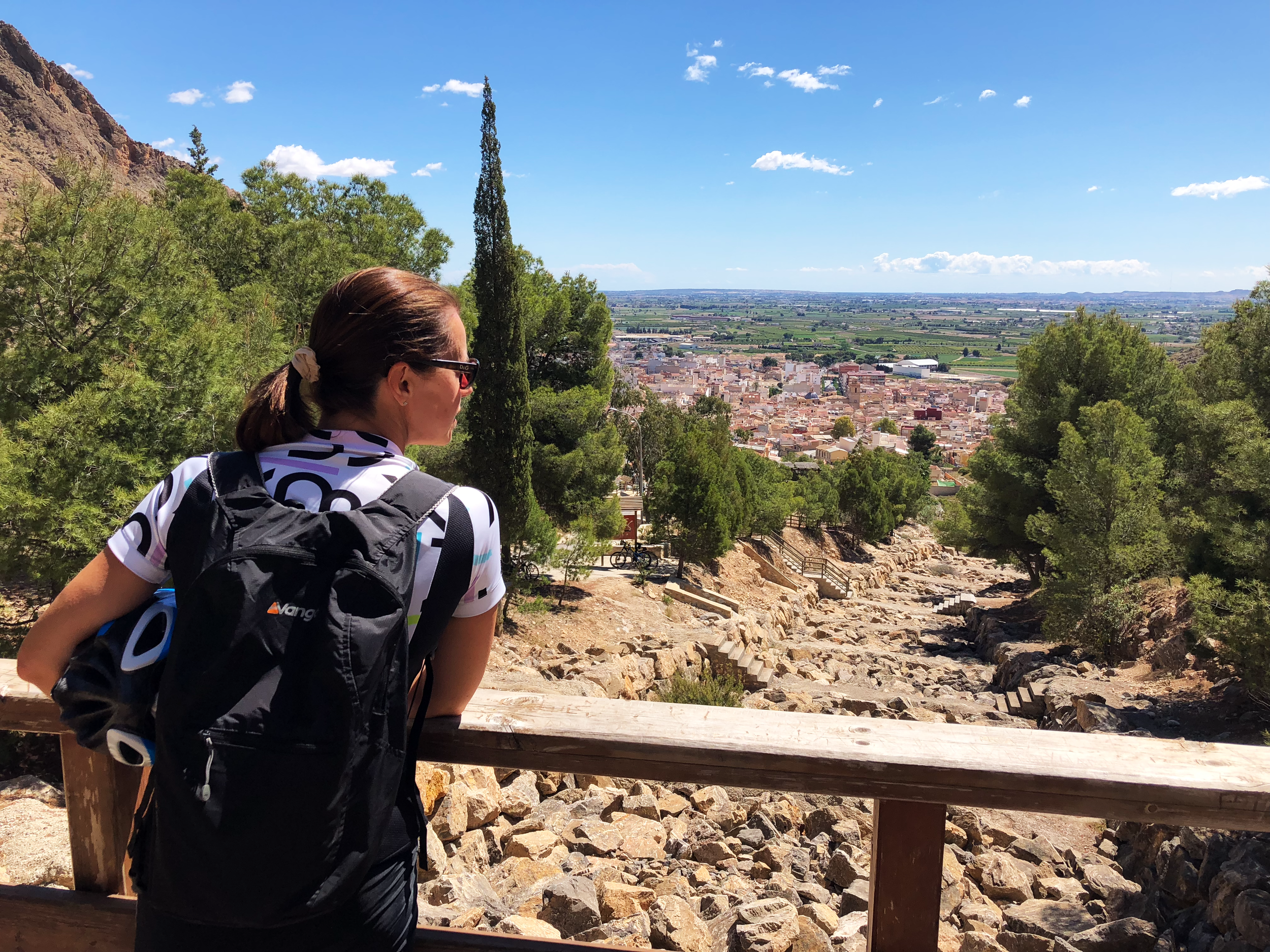
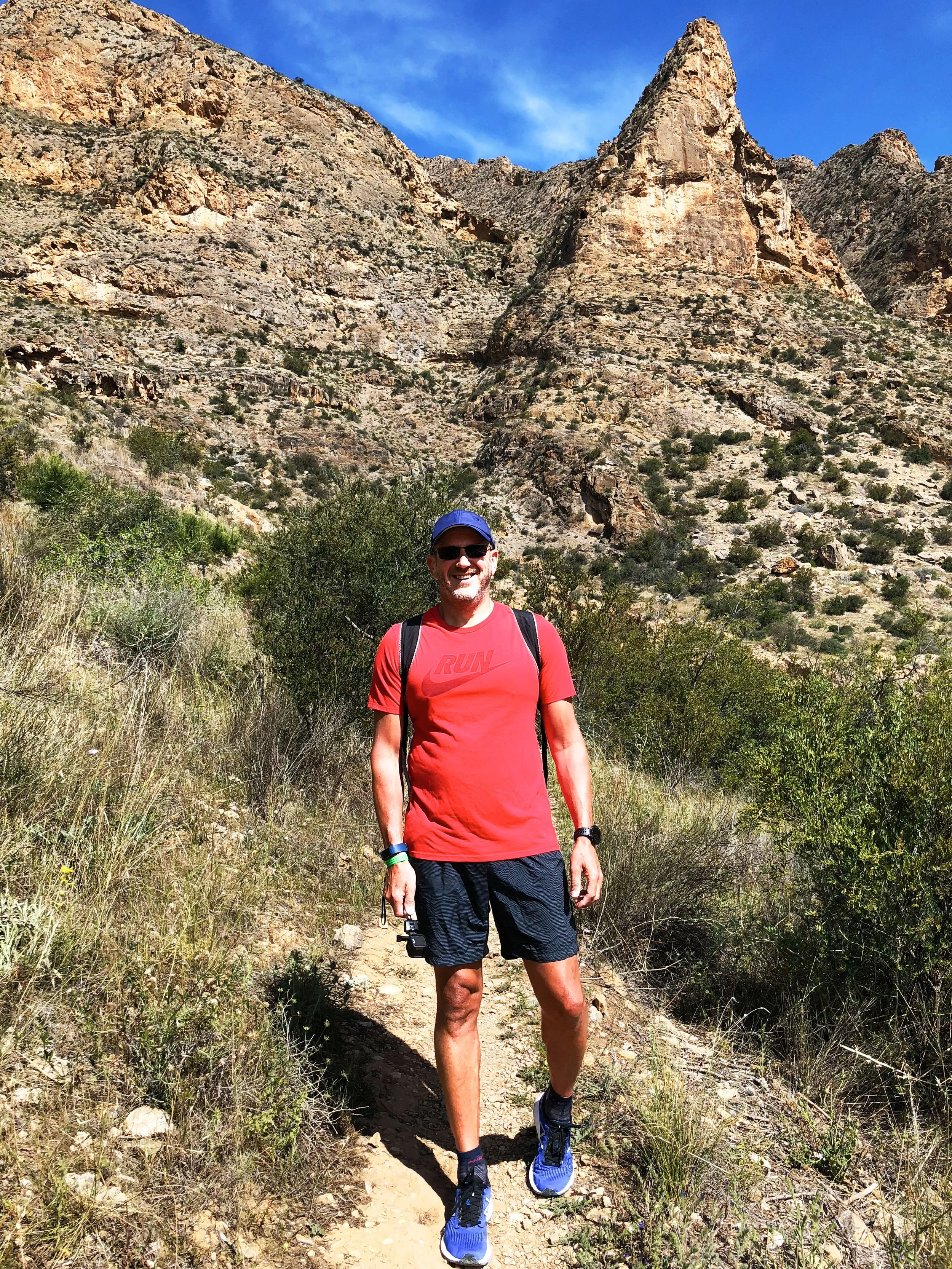
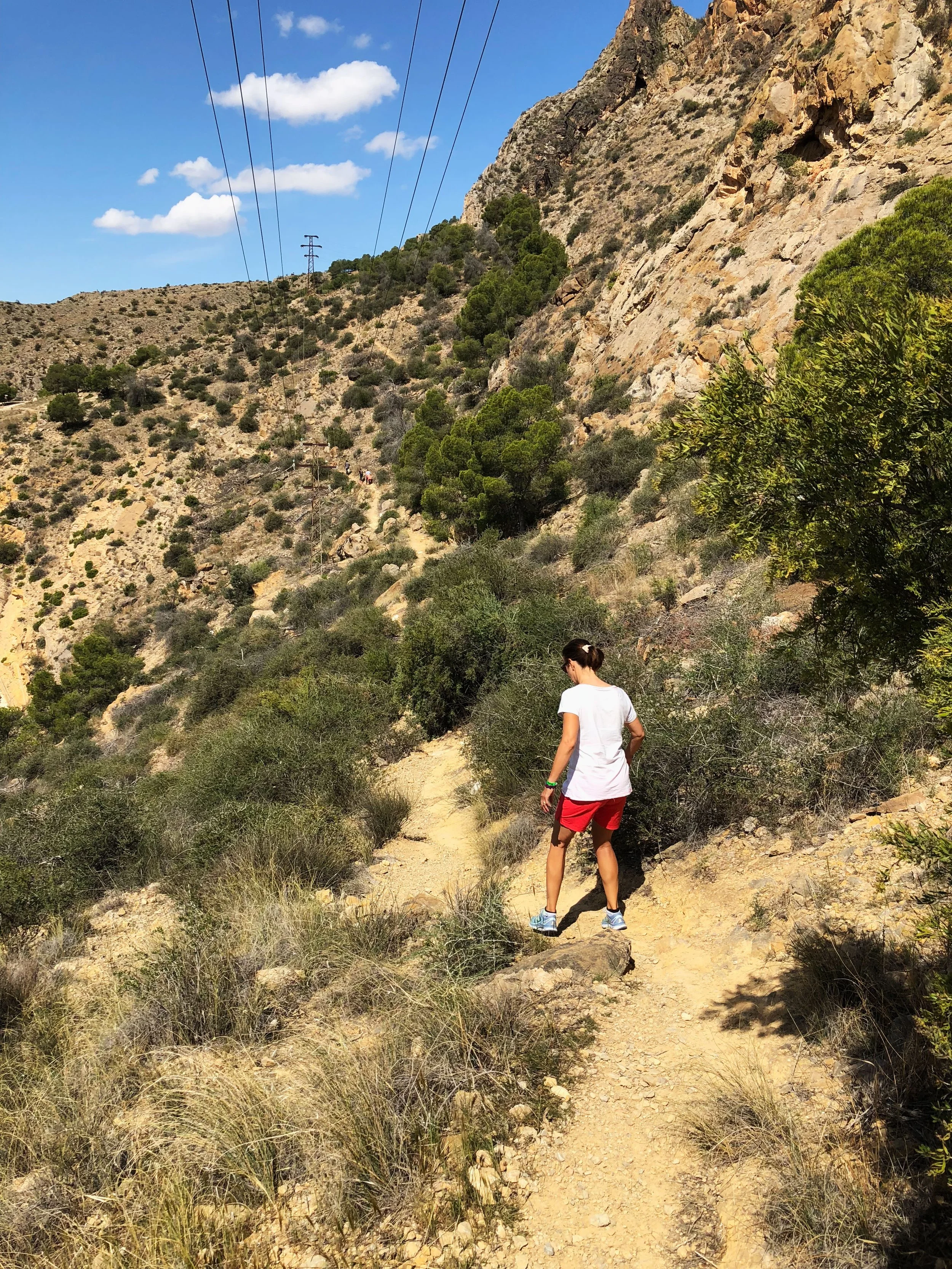
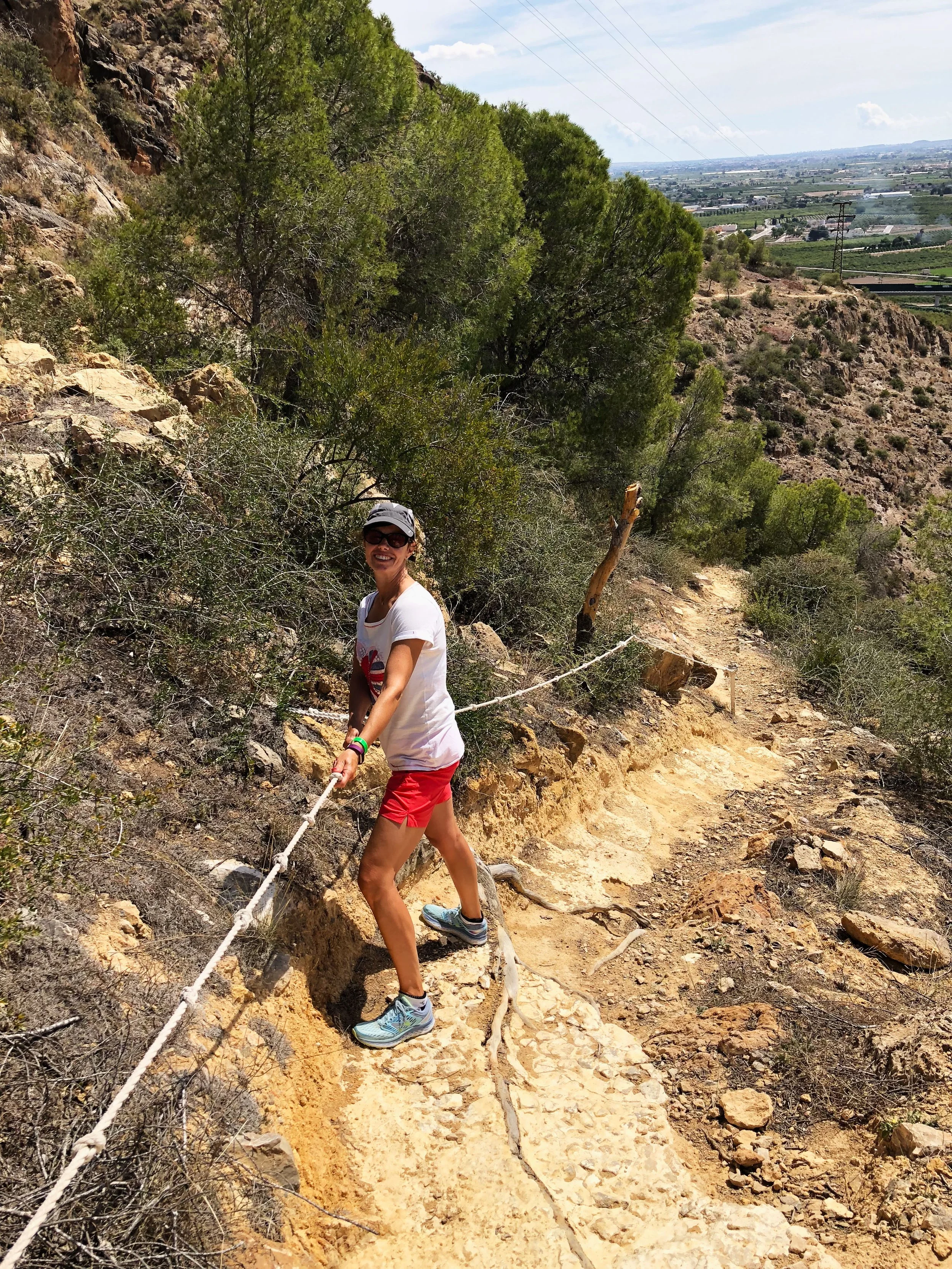
Callosa de Segura is a town whose story is written into the mountain that rises steeply above it. Long before the modern streets took shape, Iberian, Roman and later Moorish settlers were drawn here by the fertile Segura valley and the natural protection the rock provided. During the Moorish period a fortress crowned the mountain, watching over the plain below, and even after the Christian reconquest in the 13th century the town continued to grow at its base, quite literally in its shadow. Over time the need for defence faded, but the mountain never lost its importance — becoming a spiritual marker, a point of reference, and a constant companion to daily life. Today it still dominates the skyline, a quiet reminder that Callosa’s identity, resilience and sense of place have always been shaped by the rock above it.
To celebrate the 100 years since it was awarded City status , the local running club the Grumoc’s hosted a series of runs in it’s cobbled streets , sharp inclines and steps to the Cathedral in the mountain.
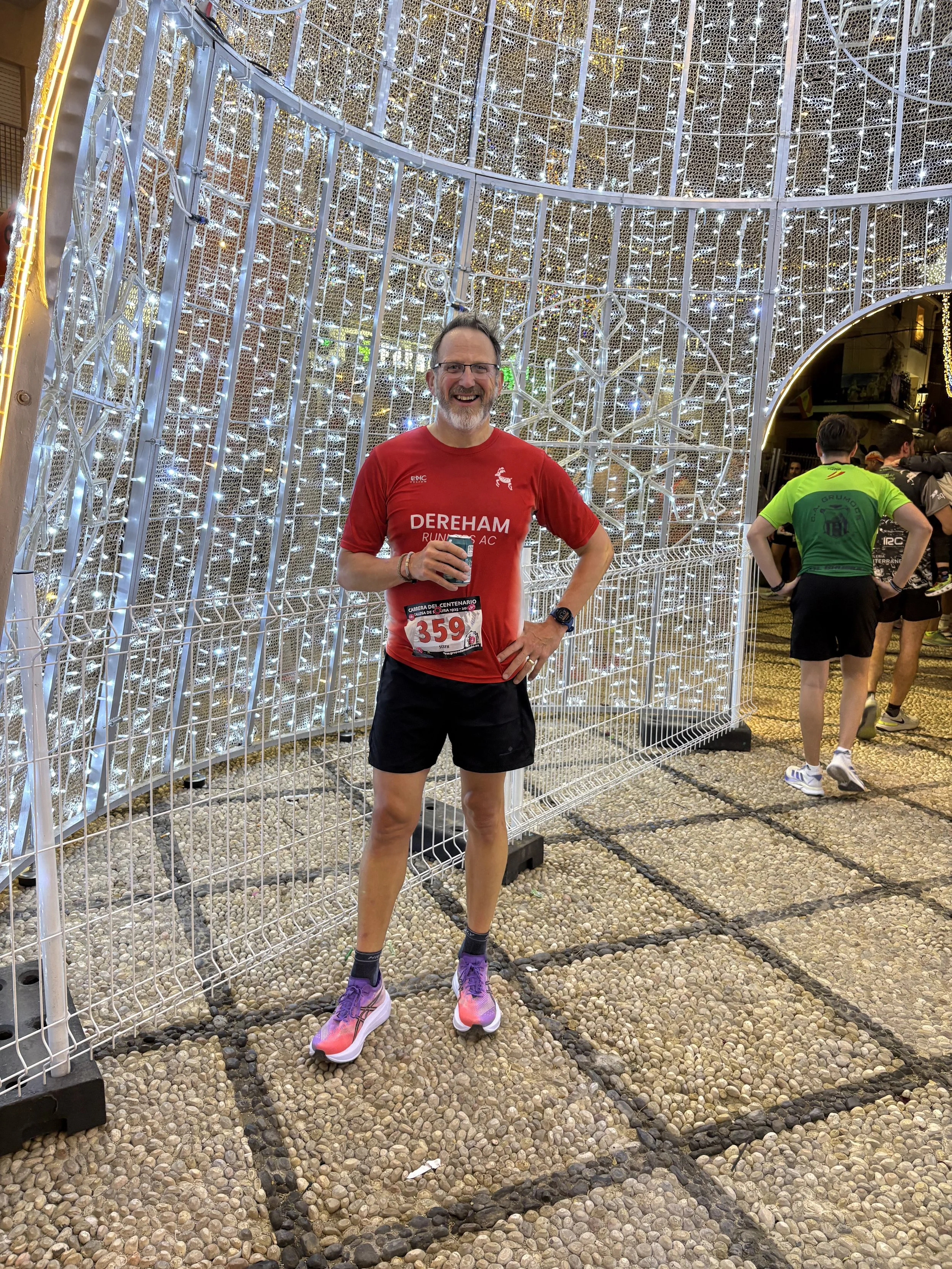
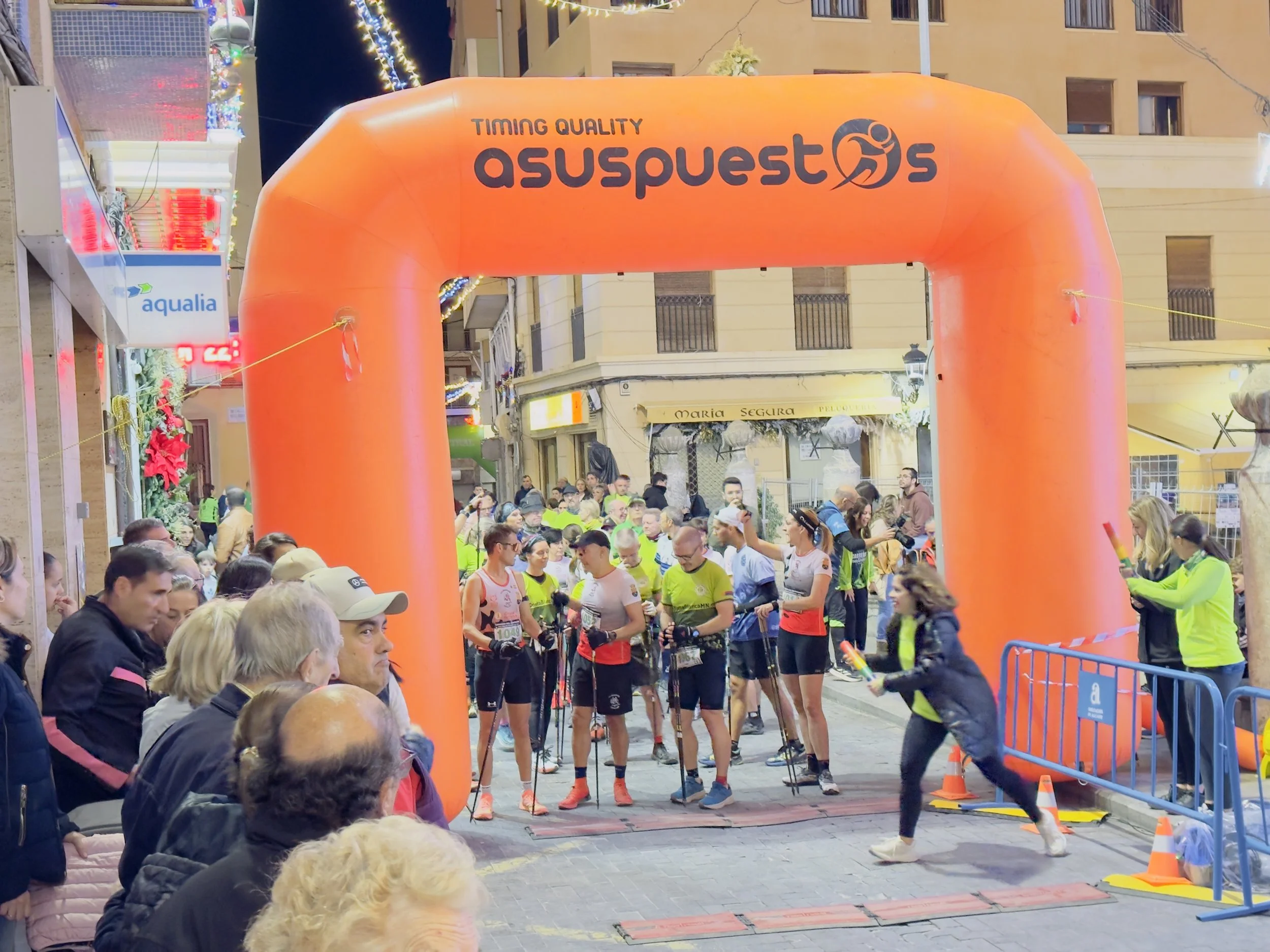
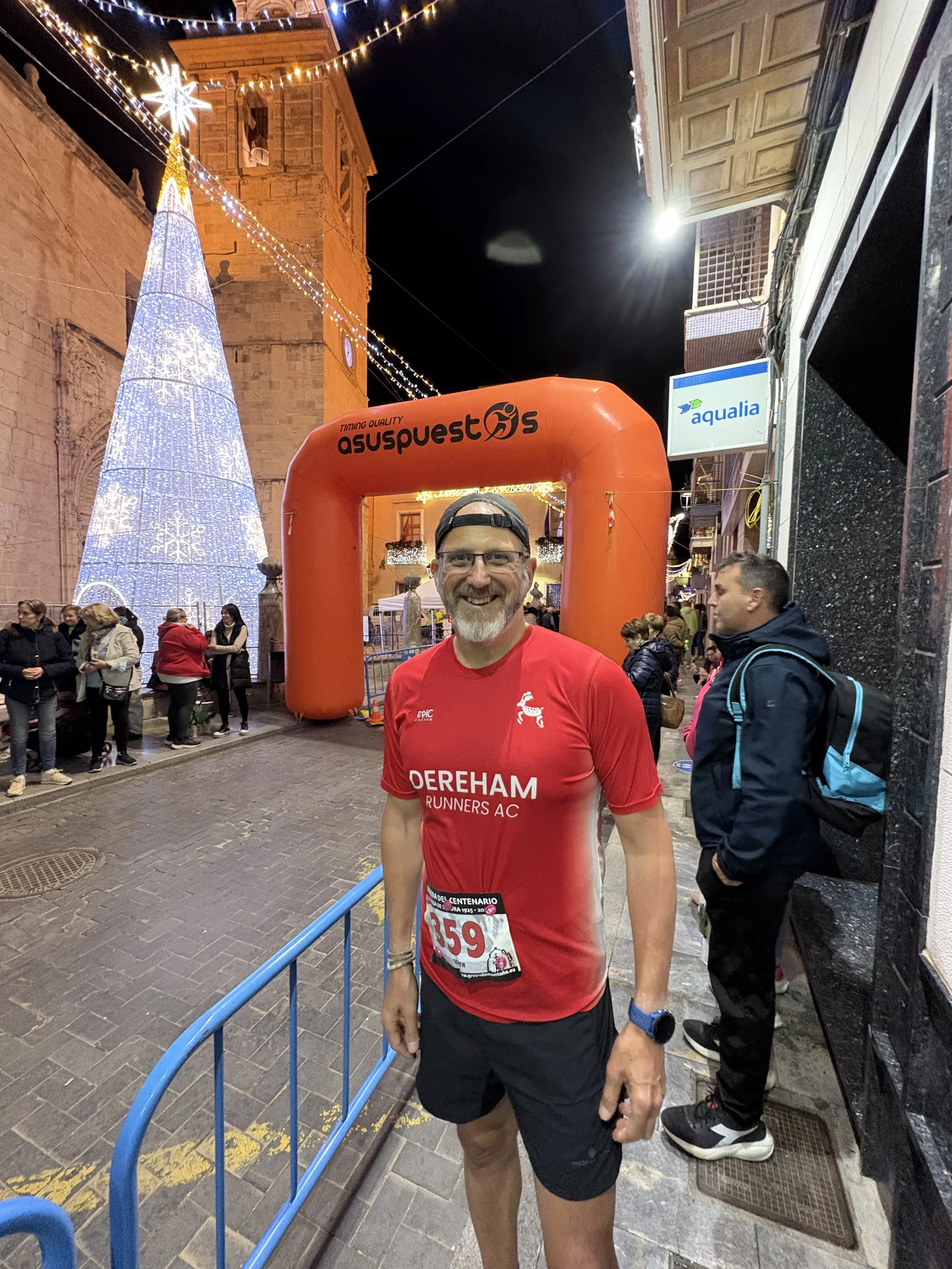
The runs included a number of children’s races , a Nordic walking event and a road race. The latter was of more interest to us , as the two lap course wound it’s way through the elevated streets in brutal fashion. It was primarily a celebration but it was a privilege to be involved.
Photo Credit to https://acariciandolaluz.com/ .
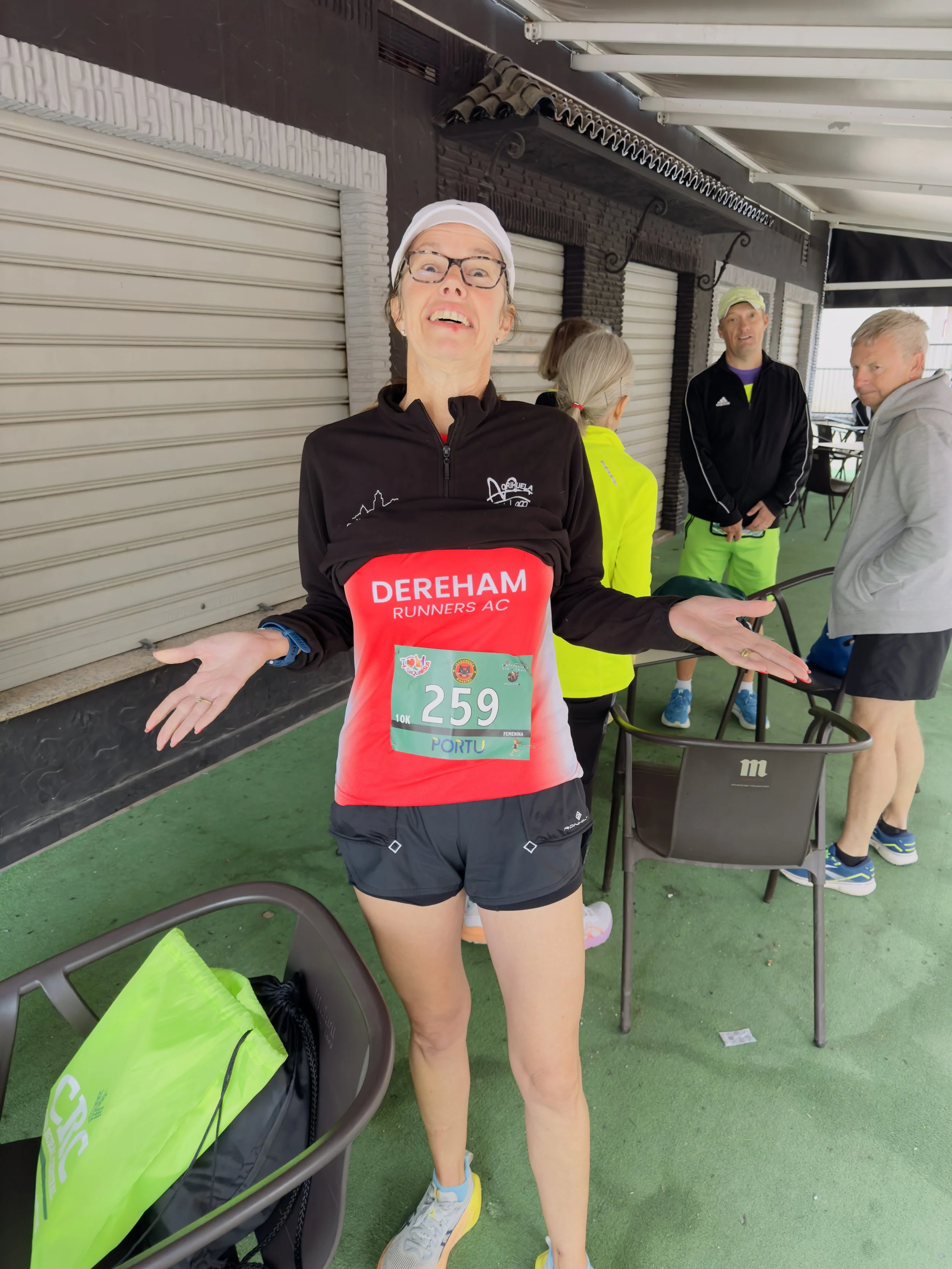
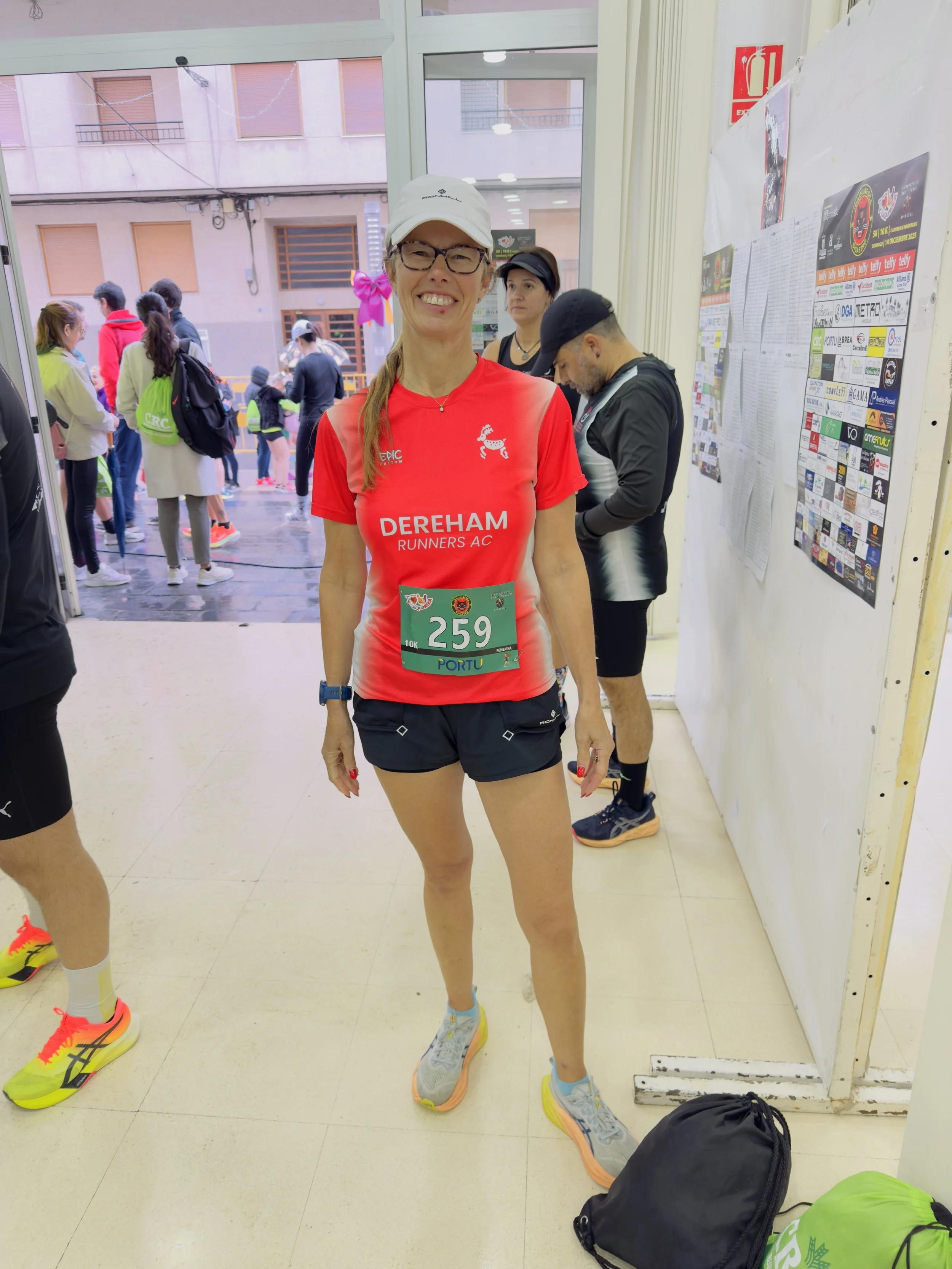
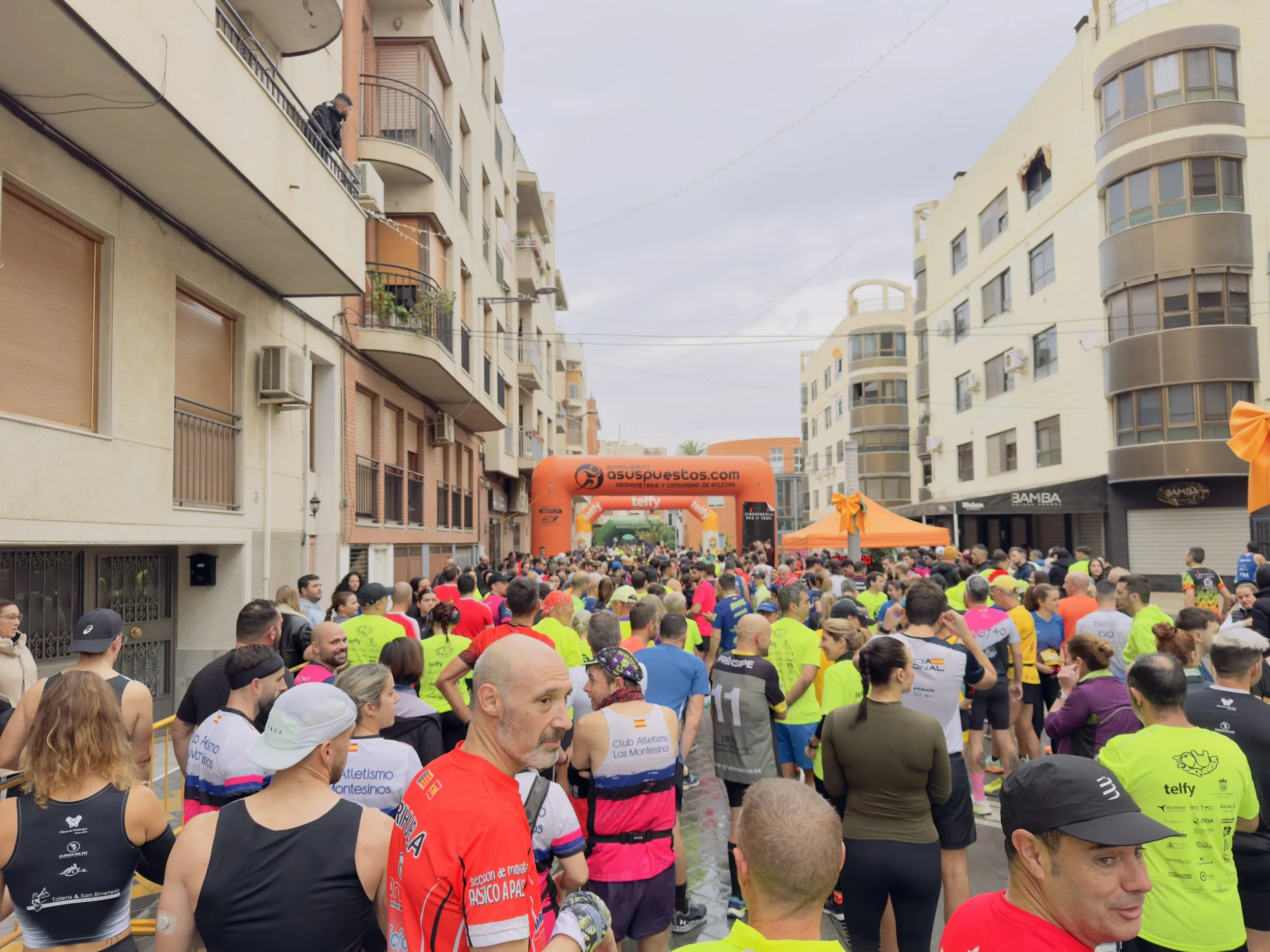
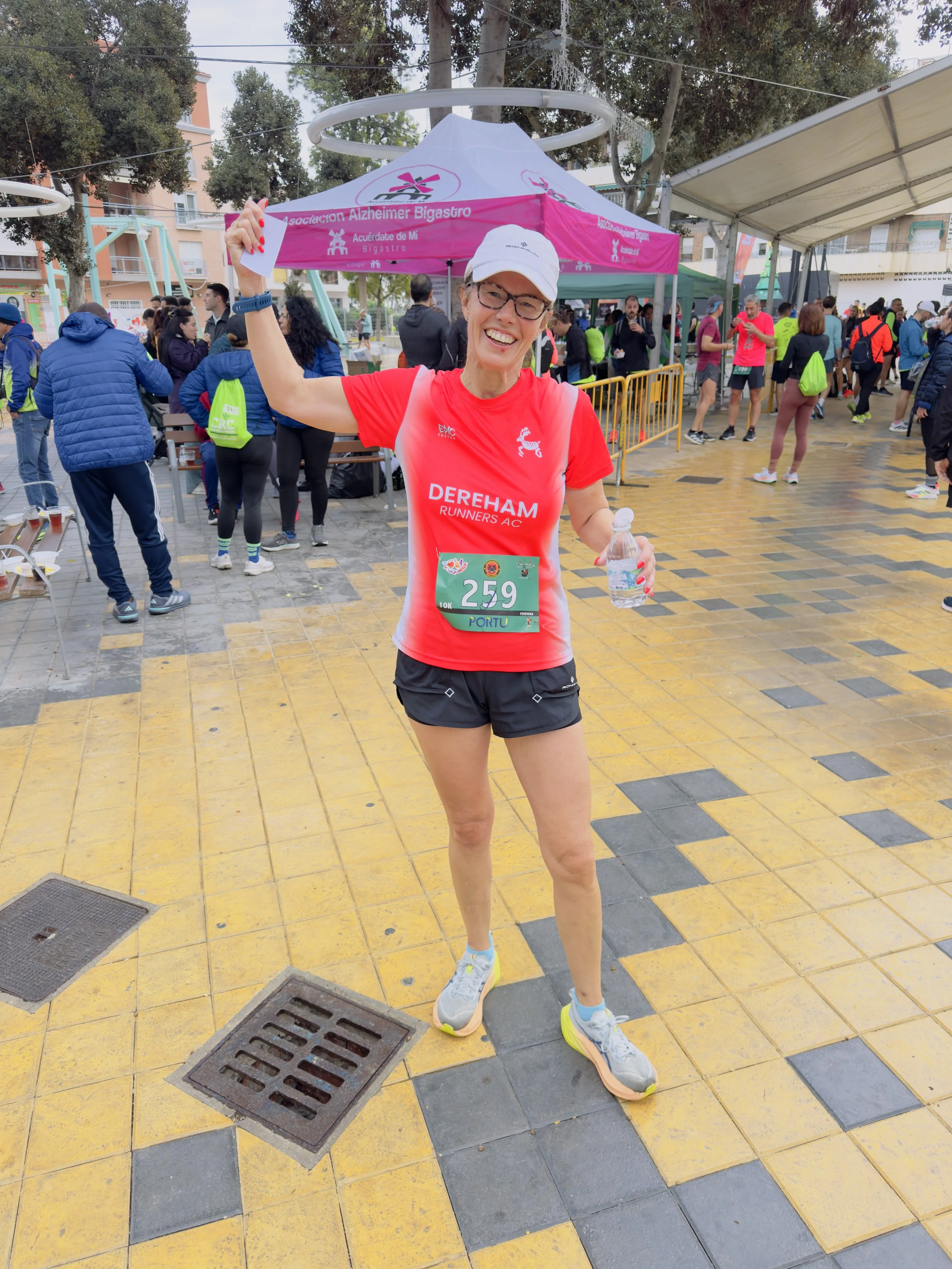
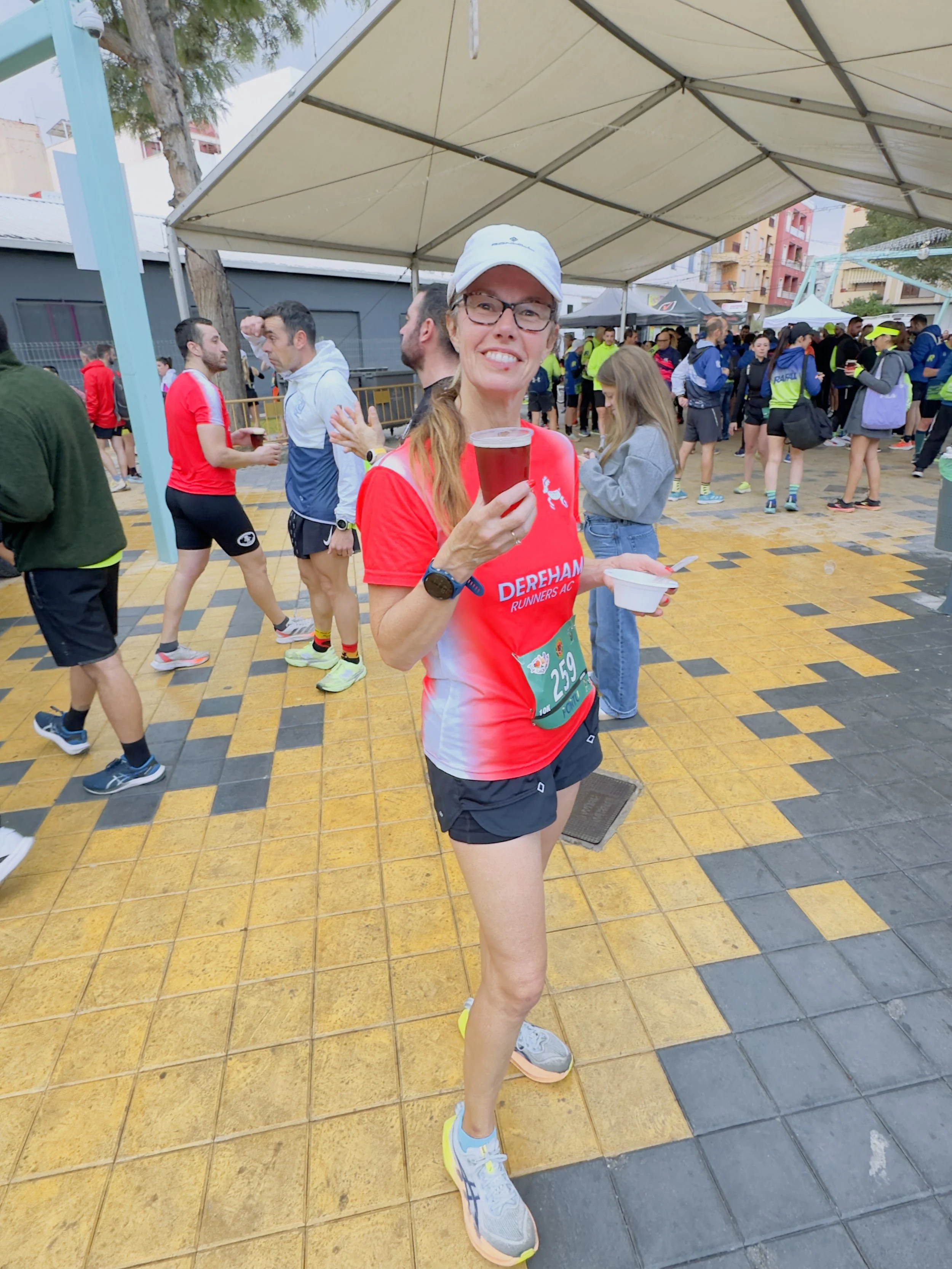
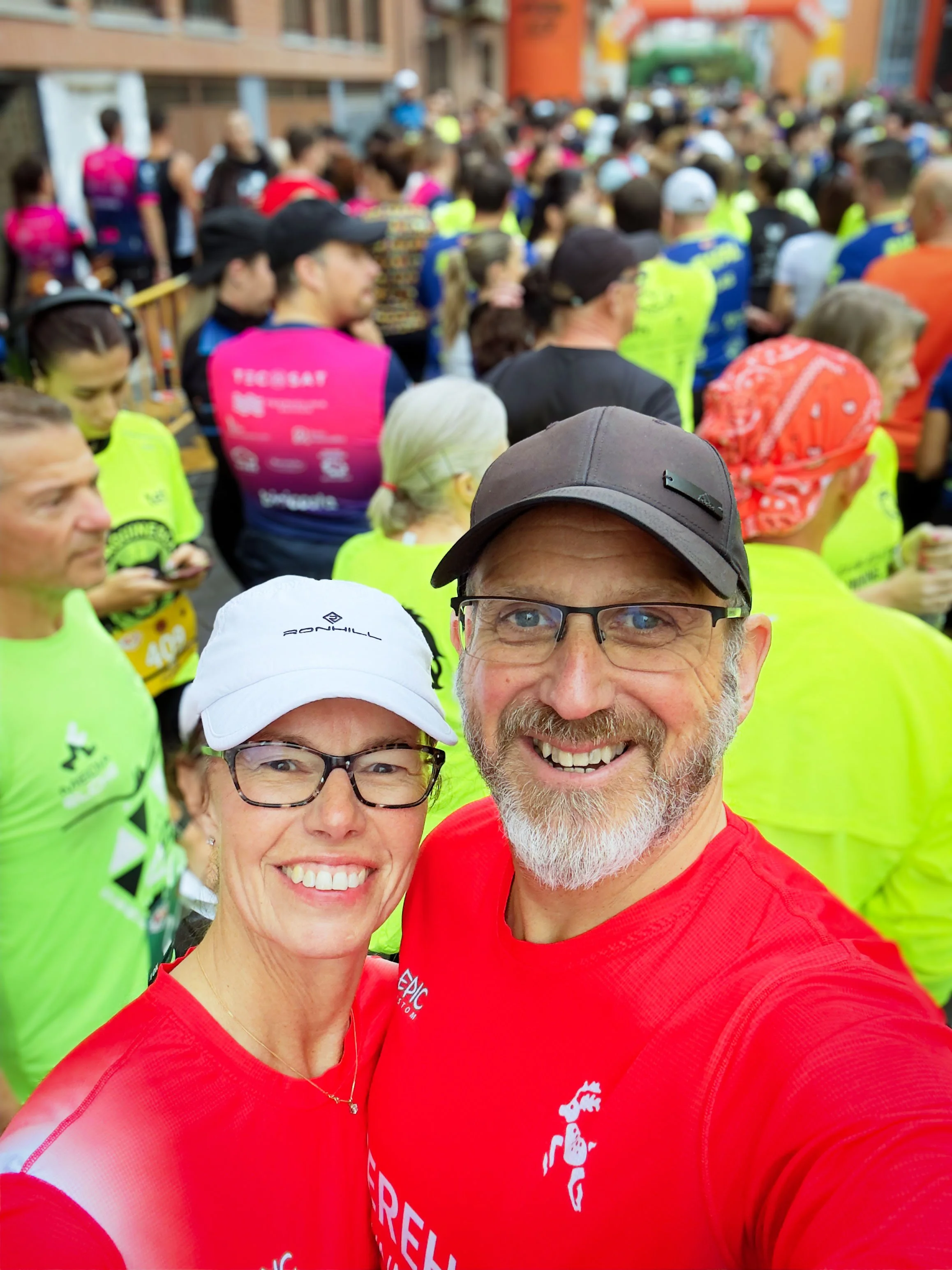
The second run of the weekend, The Bigastro 10K — the very next day, in fact — was a special occasion for H. Injured since August she has been carefully following a rehab plan to rebuild her fitness. The aim wasn’t to run fast, but to cover a steady 6.2 miles as a test of how far the injury recovery had progressed.
The Bigastro 10K is a lively community race run on an urban circuit through the heart of the town. Despite its modest size, it packs a punch, with a testing course, all set against the backdrop of cheering locals and a warm, festival atmosphere that makes it feel far bigger than it is.
It went well, and we now move on to the next stage of training — much to the relief of everyone at this end.
Next week we’re hiring a car and pushing a little further afield, while also turning our attention to half-marathon and marathon training. More on that in next week’s blog. Have a great week.